Offshore Wind Energy: Tapping into the Ocean’s Power
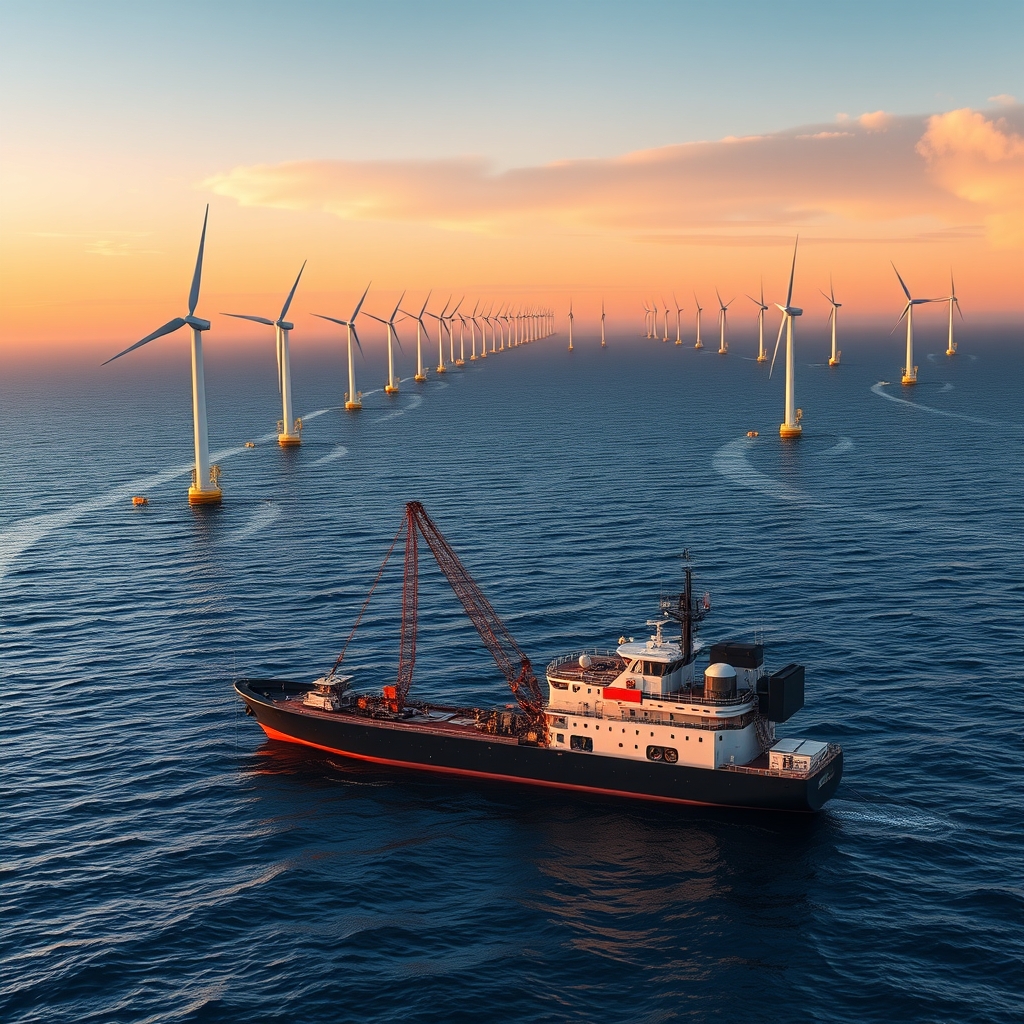
The world’s oceans are not just vast expanses of water; they are untapped reservoirs of energy, waiting to be harnessed. Offshore wind energy has emerged as a game-changer in the renewable energy sector, offering a sustainable and scalable solution to meet the growing global demand for electricity. As countries strive to reduce their carbon footprints and transition away from fossil fuels, offshore wind farms are becoming a cornerstone of the clean energy revolution. This shift is not just about generating power—it’s about redefining how we interact with our planet’s resources and securing a greener future for generations to come.
The Rise of Offshore Wind Farms
Offshore wind energy has experienced exponential growth over the past decade, with installed capacity surging from just a few gigawatts in the early 2010s to over 50 gigawatts by 2023. Europe has long been the leader in this space, with countries like the UK, Germany, and Denmark pioneering large-scale projects. However, the momentum is now global, with the United States, China, and several Asian nations rapidly expanding their offshore wind portfolios. The appeal is clear: offshore winds are stronger and more consistent than onshore winds, leading to higher energy yields and greater efficiency.
The development of offshore wind farms is not without its challenges. Unlike onshore projects, offshore installations require navigating complex regulatory environments, harsh marine conditions, and logistical hurdles. Yet, the rewards are substantial. For instance, the Hornsea Project One in the UK, currently the world’s largest offshore wind farm, generates enough electricity to power over one million homes. Such projects demonstrate the immense potential of offshore wind to contribute significantly to national energy grids while reducing reliance on fossil fuels.
Technological Innovations: Floating Turbines
One of the most exciting advancements in offshore wind technology is the development of floating turbines. Traditional offshore wind farms are built on fixed foundations, which limits their deployment to shallow waters. Floating turbines, however, can be installed in deeper waters where wind speeds are even higher and more consistent. This innovation opens up vast new areas of the ocean for wind energy development, particularly in regions like the Mediterranean, the U.S. West Coast, and parts of Asia where deep waters are prevalent.
Floating turbines rely on advanced engineering to remain stable in the open sea. They are anchored to the seabed using mooring lines and are designed to withstand the dynamic forces of waves, currents, and wind. Companies like Equinor, with its Hywind Scotland project, have already demonstrated the viability of floating turbines, achieving capacity factors of over 50%—a remarkable feat compared to the 30-40% typical of onshore wind farms. As technology continues to improve, floating turbines are expected to become more cost-effective, further accelerating the adoption of offshore wind energy.
Challenges of Installation and Maintenance
Despite the promise of offshore wind, the installation and maintenance of these projects present significant challenges. The marine environment is inherently hostile, with corrosive saltwater, strong currents, and unpredictable weather conditions posing risks to both equipment and personnel. Installing turbines in deep waters requires specialized vessels and highly skilled crews, which can drive up costs and extend project timelines.
Maintenance is another critical concern. Offshore wind farms are often located far from shore, making access difficult and expensive. Routine inspections, repairs, and component replacements must be carefully planned to minimize downtime and ensure the longevity of the turbines. Innovations such as drone inspections, robotic maintenance systems, and predictive analytics are helping to address these challenges, but the industry still has a long way to go in improving efficiency and reducing operational costs.
Economic and Environmental Benefits
The economic benefits of offshore wind energy are multifaceted. Beyond the obvious advantage of generating clean electricity, offshore wind projects create jobs, stimulate local economies, and attract investment. The offshore wind supply chain spans manufacturing, construction, transportation, and maintenance, providing opportunities for a wide range of industries. In the UK, for example, the offshore wind sector supports over 26,000 jobs and contributes billions to the economy annually.
Environmentally, offshore wind farms offer a sustainable alternative to fossil fuels, significantly reducing greenhouse gas emissions and air pollution. Unlike traditional energy sources, wind energy does not produce harmful byproducts or deplete finite resources. Additionally, offshore wind farms can coexist with marine ecosystems, provided they are carefully sited and managed. Studies have shown that offshore wind projects can even create artificial reefs, providing habitats for marine life and enhancing biodiversity in the surrounding areas.
The Future of Offshore Wind in the Global Energy Mix
Looking ahead, offshore wind energy is poised to play a pivotal role in the global transition to renewable energy. The International Energy Agency (IEA) projects that offshore wind could generate more than 1,000 gigawatts of electricity by 2040, accounting for nearly 10% of the world’s electricity demand. This growth will be driven by continued technological advancements, declining costs, and supportive government policies. Countries like the U.S. and China are already setting ambitious targets for offshore wind development, with the U.S. aiming to deploy 30 gigawatts by 2030 and China targeting 50 gigawatts by 2025.
As the industry matures, innovations such as floating turbines, larger and more efficient blades, and advanced grid integration technologies will further enhance the viability of offshore wind. The integration of energy storage solutions, such as batteries and hydrogen production, will also help address the intermittency issues associated with wind energy, ensuring a stable and reliable power supply. With these advancements, offshore wind is not just a complementary energy source—it is becoming a cornerstone of the global energy mix, offering a path to a sustainable and resilient future.
The journey to harness the ocean’s power is still in its early stages, but the progress made so far is nothing short of remarkable. Offshore wind energy represents more than just a technological achievement; it is a testament to human ingenuity and our ability to innovate in the face of global challenges. As the waves continue to crash against the shores, they carry with them the promise of a cleaner, brighter tomorrow—one where the winds of change blow not just across the land, but across the vast and boundless seas.