The Pulse of Tomorrow: How Energy-Optimized Fabrication is Redefining Sustainable Tech Manufacturing
The hum of machinery in a modern tech manufacturing facility is no longer just a sound of progress—it’s a symphony of efficiency, precision, and sustainability. As the world grapples with the urgent need to reduce carbon footprints, the tech industry is undergoing a quiet but profound transformation. At the heart of this shift lies energy-optimized fabrication, a process that doesn’t just tweak existing methods but reimagines them from the ground up. This is not about incremental improvements; it’s about fundamentally altering how technology is conceived, designed, and brought to life.
The Alchemy of Efficiency
Energy-optimized fabrication is more than a buzzword—it’s a philosophy that merges cutting-edge engineering with a deep respect for the planet’s finite resources. Traditional manufacturing processes have long been energy-intensive, relying on fossil fuels and inefficient systems that drain power while generating excessive waste. But today, forward-thinking companies are flipping the script. By integrating renewable energy sources like solar, wind, and even kinetic energy harvested from machinery, factories are slashing their reliance on the grid. The result? A dramatic reduction in carbon emissions and a manufacturing process that doesn’t just consume energy but respects it.
Take, for example, the rise of smart factories equipped with AI-driven energy management systems. These systems don’t just monitor power usage—they predict it, optimize it, and adapt in real-time to minimize waste. Sensors embedded in machinery track performance, adjusting operations to ensure that energy is used only when and where it’s needed. It’s a level of precision that was unimaginable a decade ago, and it’s setting a new standard for what sustainable manufacturing can achieve.
The Role of Circular Design in Energy Optimization
But energy optimization doesn’t exist in a vacuum. It’s deeply intertwined with circular design processes, where every component of a product is considered not just for its immediate function but for its entire lifecycle. In this model, waste isn’t an afterthought—it’s a design flaw. Engineers are now tasked with creating products that can be easily disassembled, repaired, and recycled, ensuring that materials stay in use for as long as possible. This approach doesn’t just reduce waste; it also cuts down on the energy required to produce new components, creating a virtuous cycle of efficiency.
Consider the smartphone industry, where millions of devices are discarded annually, contributing to electronic waste mountains. Companies pioneering circular design are now producing phones with modular components, allowing users to replace individual parts—like batteries or screens—rather than discarding the entire device. This not only extends the product’s lifespan but also reduces the energy needed to manufacture replacements. It’s a small shift with massive implications, proving that sustainability and innovation can go hand in hand.
The Materials Revolution
Energy-optimized fabrication is also driving a revolution in the materials used to build technology. Traditional manufacturing relies heavily on metals and plastics, many of which are energy-intensive to produce and difficult to recycle. But a new wave of bio-based tech materials is emerging, offering a greener alternative. From mycelium-based packaging to bioplastics derived from algae, these materials are not only renewable but often require less energy to produce than their conventional counterparts.
One standout example is the development of graphene-enhanced composites, which are lighter, stronger, and more conductive than traditional materials. Because graphene can be produced from sustainable sources like biomass, it represents a double win: reducing the carbon footprint of manufacturing while also enhancing the performance of the final product. As these materials become more widespread, they’re poised to redefine what’s possible in tech manufacturing, making sustainability not just a goal but a competitive advantage.
Waste Reduction: The Unsung Hero of Sustainable Manufacturing
No discussion of energy-optimized fabrication would be complete without addressing the elephant in the room: waste. Traditional manufacturing processes are notoriously inefficient, with up to 30% of materials ending up as scrap. But new strategies are turning this waste into an opportunity. Closed-loop manufacturing systems, for instance, capture and reuse waste materials, ensuring that nothing is discarded unnecessarily. This not only conserves resources but also reduces the energy required to source and process new materials.
In addition, additive manufacturing—or 3D printing—is revolutionizing how products are made. Unlike subtractive manufacturing, which cuts away material to create a part, additive manufacturing builds products layer by layer, using only the material that’s needed. This precision drastically reduces waste, while also allowing for complex designs that would be impossible with traditional methods. The result is a manufacturing process that’s not just greener but also more innovative.
The Human Element: Conscious Innovation Workflows
At its core, energy-optimized fabrication is about more than just technology—it’s about people. Conscious innovation workflows are reshaping how teams approach product development, embedding sustainability into every stage of the process. From the initial concept to the final product, engineers, designers, and manufacturers are collaborating in ways that prioritize both performance and planet. This shift is fostering a culture where sustainability is not an afterthought but a driving force behind innovation.
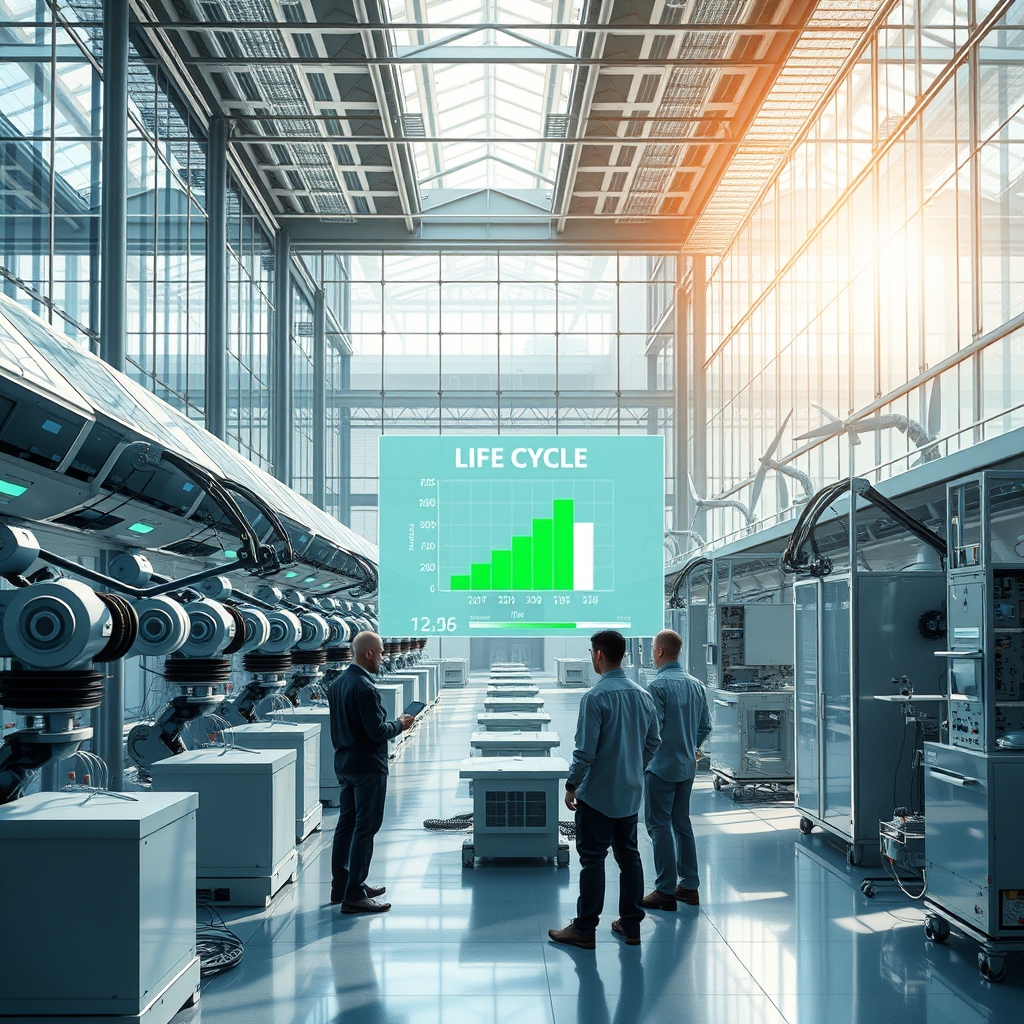
One way this is manifesting is through life cycle assessments (LCAs), which evaluate the environmental impact of a product from cradle to grave. By conducting LCAs early in the design process, teams can identify potential inefficiencies and make adjustments before they become costly problems. This proactive approach ensures that sustainability is baked into the product from the start, rather than being tacked on as an afterthought.
The ripple effects of energy-optimized fabrication are already being felt across industries, from consumer electronics to automotive manufacturing. As more companies adopt these practices, the bar for sustainability is being raised higher and higher. What was once considered a niche approach is now becoming the gold standard, proving that the future of tech manufacturing doesn’t have to come at the expense of the planet. The tools and technologies exist; what’s needed now is the collective will to embrace them. The factories of tomorrow are being built today, and they’re powered not just by energy, but by intention.