The Silent Revolution of Solar Skins: How Aesthetic Photovoltaics Are Redefining Urban Landscapes and Energy Efficiency
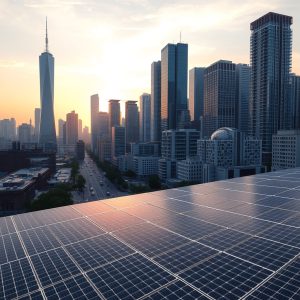
The hum of a city is more than just the sound of engines, chatter, and footsteps—it’s the quiet pulse of energy flowing through its veins. For decades, urban landscapes have been dominated by towering glass facades, concrete monoliths, and rooftops cluttered with clunky solar panels. But what if the very surfaces of our buildings could not only generate power but also enhance the beauty of our cities? Enter the era of solar skins, a groundbreaking fusion of aesthetic design and renewable energy technology that is transforming how we think about urban energy systems.
The Birth of Solar Skins: Where Art Meets Energy
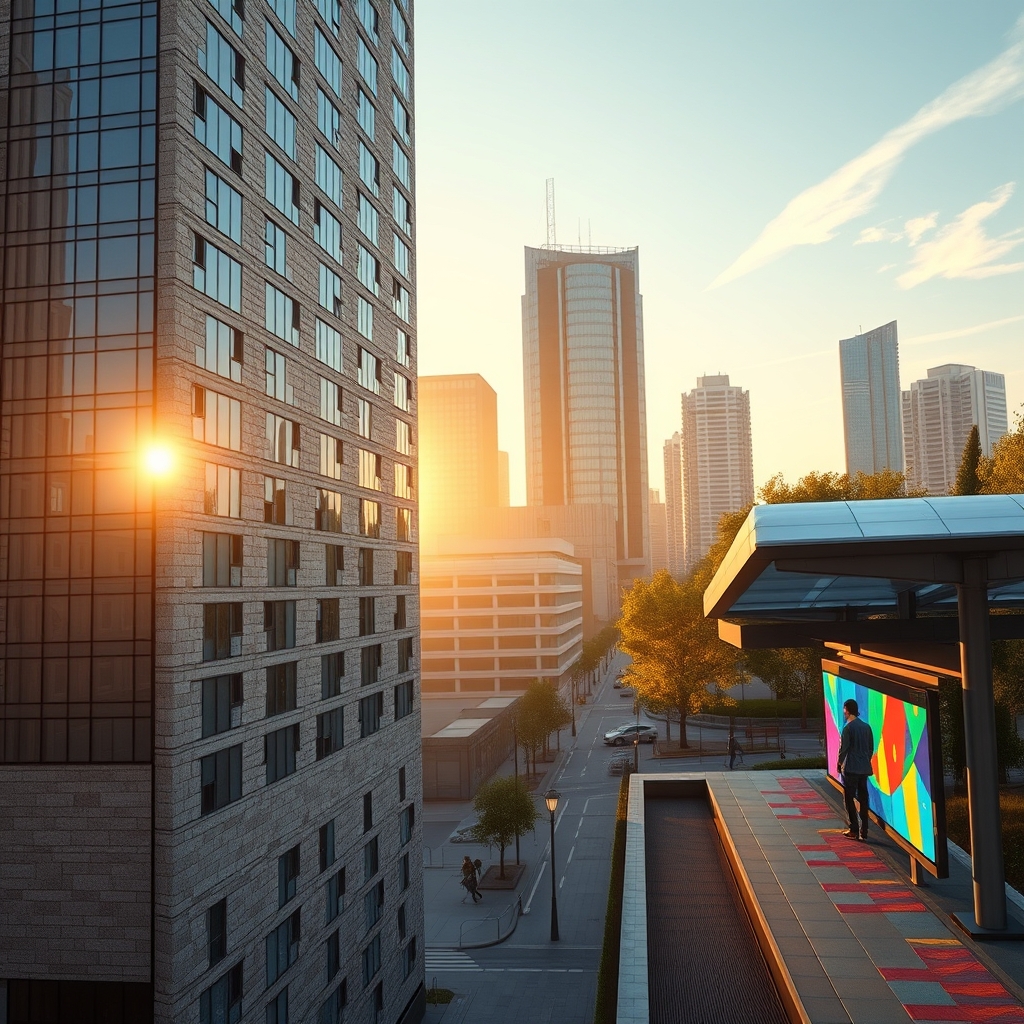
Solar skins are not your typical photovoltaic (PV) panels. Unlike the rigid, dark-blue rectangles that have become synonymous with solar energy, these innovative systems are designed to blend seamlessly into their surroundings. Imagine a skyscraper with a facade that mimics the texture of stone, a bus stop adorned with a mural that doubles as a power generator, or a residential roof that looks like traditional shingles but quietly harvests sunlight. This is the promise of solar skins—energy generation without aesthetic compromise.
The technology behind solar skins is rooted in advanced materials science and thin-film photovoltaics. Traditional solar panels rely on silicon cells, which are efficient but bulky and visually intrusive. Solar skins, on the other hand, use lightweight, flexible materials like perovskite or organic photovoltaics (OPV), which can be printed onto a variety of surfaces. These materials are not only adaptable but also capable of being customized with patterns, colors, and even images, making them ideal for architectural integration.
The Science Behind the Beauty
At the heart of solar skins lies a delicate balance between form and function. The challenge has always been to maintain high energy efficiency while achieving the desired aesthetic effect. Early iterations of building-integrated photovoltaics (BIPV) struggled with this balance, often sacrificing performance for appearance. However, recent advancements in nanotechnology and material engineering have paved the way for solar skins that are both visually stunning and highly efficient.
One of the most promising developments in this space is the use of transparent solar cells. These cells, made from materials like graphene or perovskite, allow light to pass through while still capturing energy. When applied to windows or glass facades, they enable buildings to generate power without obstructing views or natural light. Companies like Ubiquitous Energy and SolarWindow Technologies are leading the charge, developing coatings that can turn entire skyscrapers into vertical solar farms.
Another breakthrough comes from color-tunable solar cells, which use nanostructures to manipulate light reflection. By adjusting the size and arrangement of these nanostructures, researchers can create solar panels in virtually any color—from earthy browns to vibrant blues—without significantly reducing efficiency. This innovation opens up a world of possibilities for architects and designers, who can now incorporate solar technology into their projects without compromising their creative vision.
Urban Energy Reimagined: The Impact of Solar Skins
The adoption of solar skins is not just about aesthetics; it’s about redefining the role of renewable energy in urban environments. Cities are responsible for over 70% of global carbon emissions, and much of that comes from the energy consumed by buildings. Solar skins offer a way to turn these structures from energy consumers into energy producers, all while enhancing the visual appeal of the urban landscape.
From Rooftops to Facades: Expanding the Solar Footprint
Traditional solar panels are limited by the available rooftop space, which is often insufficient to meet a building’s energy needs. Solar skins, however, can be applied to walls, windows, and even sidewalks, dramatically increasing the surface area available for energy generation. This is particularly valuable in dense urban areas, where rooftop space is at a premium. For example, a high-rise building with a solar skin facade could generate enough power to offset a significant portion of its energy consumption, reducing its reliance on the grid and lowering its carbon footprint.
In cities like Tokyo, Singapore, and Copenhagen, forward-thinking architects are already embracing this technology. The Pritzker Pavilion in Chicago, designed by Frank Gehry, features a solar skin that doubles as an artistic installation, while the Edge in Amsterdam, often called the world’s smartest building, uses solar glass to power its operations. These projects demonstrate how solar skins can transform buildings into living, breathing energy hubs that contribute to the city’s sustainability goals.
The Economic and Environmental Ripple Effect
The benefits of solar skins extend beyond energy generation. By integrating renewable energy into the fabric of buildings, cities can reduce their dependence on fossil fuels, lower energy costs, and create jobs in the green technology sector. Moreover, solar skins can enhance property values by improving the aesthetic appeal of buildings, making them more attractive to tenants and investors.
Environmentally, the impact is even more profound. Solar skins can help cities meet their climate goals by reducing greenhouse gas emissions and promoting the use of clean energy. They also contribute to the development of smart grids, where buildings can share excess energy with the grid or store it for later use. This decentralized approach to energy production is key to building a more resilient and sustainable urban future.
The Future of Solar Skins: Challenges and Opportunities
Despite their promise, solar skins are not without challenges. One of the biggest hurdles is cost. While the price of traditional solar panels has dropped significantly over the past decade, solar skins are still relatively expensive due to the advanced materials and manufacturing processes involved. However, as demand grows and technology advances, economies of scale are expected to drive down costs, making solar skins more accessible to a wider range of applications.
Durability and Performance: The Next Frontier
Another challenge is durability. Solar skins must withstand the elements—rain, wind, UV radiation—while maintaining their efficiency and appearance. Researchers are exploring new materials and coatings to improve the longevity of solar skins, including self-healing polymers and anti-reflective coatings. These innovations could extend the lifespan of solar skins, making them a more viable long-term investment.
Performance is also a critical factor. While solar skins have made significant strides in efficiency, they still lag behind traditional silicon-based panels in terms of energy output. However, ongoing research in perovskite solar cells and tandem cell technology—which combines multiple layers of photovoltaic materials—holds the potential to close this gap. If successful, these advancements could make solar skins as efficient as, or even more efficient than, conventional solar panels.
The Role of Policy and Public Perception
The widespread adoption of solar skins will also depend on policy support and public perception. Governments can play a crucial role by offering incentives for building-integrated photovoltaics, such as tax credits or grants for developers who incorporate solar skins into their projects. Public awareness campaigns can also help shift perceptions, highlighting the benefits of solar skins not just as an energy solution but as a tool for urban beautification.
As cities continue to grow and evolve, the demand for sustainable, aesthetically pleasing solutions will only increase. Solar skins represent a unique opportunity to meet this demand, offering a way to harmonize energy production with urban design. They are not just a technological innovation; they are a cultural shift, one that reimagines the relationship between energy, architecture, and the environment.
The skyline of the future is not just a collection of steel and glass—it’s a living canvas, where every surface has the potential to generate power, inspire creativity, and contribute to a more sustainable world. As solar skins become more widespread, they will redefine our expectations of what urban landscapes can be, turning the cities of tomorrow into vibrant, energy-efficient masterpieces that work in harmony with the planet. The revolution is silent, but its impact will be anything but.