The Alchemy of Renewal: How Closed Loop Manufacturing and Bio-Based Tech Materials Are Crafting Tomorrow’s Electronics
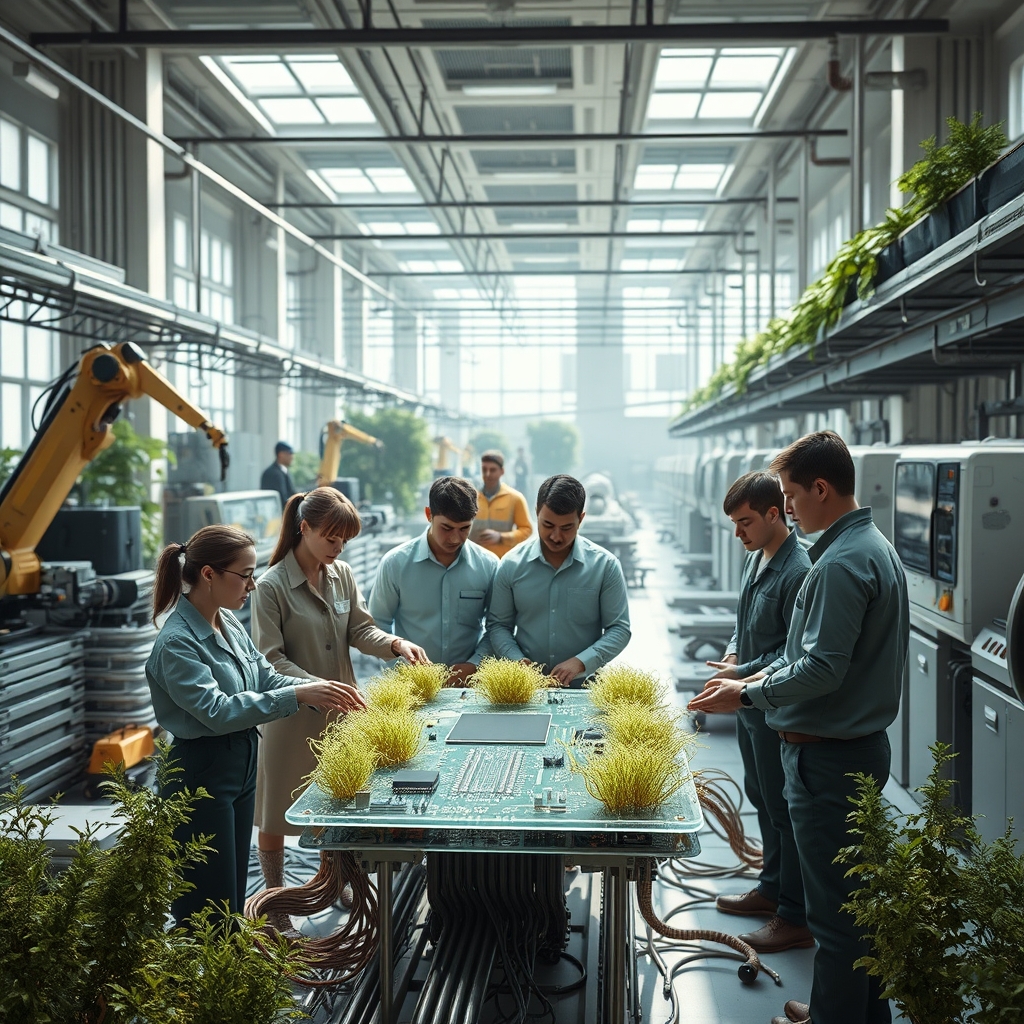
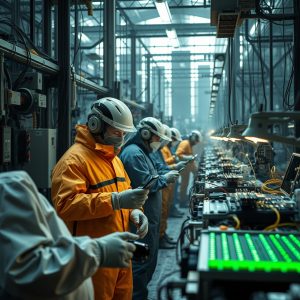
The hum of a modern electronics factory is no longer the monotonous drone of extraction and waste. Instead, it has evolved into a symphony of renewal—a carefully orchestrated cycle where every component, every material, and every watt of energy is part of an endless loop of creation and rebirth. This is the promise of closed loop manufacturing, a paradigm where the end of one product’s life marks the beginning of another, and where the very materials that power our devices are as alive as the ecosystems they aim to protect.
The Philosophy of the Loop
Closed loop manufacturing is not merely a process; it is a philosophy that redefines the relationship between technology and the natural world. Traditional linear models—extract, produce, discard—have long treated resources as infinite and waste as inevitable. But in a world where e-waste has become one of the fastest-growing waste streams, this approach is no longer tenable. The closed loop model, by contrast, treats every material as a guest in a continuous cycle, ensuring that nothing is lost, only transformed.
At its core, this philosophy demands a radical rethinking of design. Products are no longer conceived as static objects but as dynamic systems with multiple lives. Take, for example, the modular smartphone—a device designed to be disassembled, repaired, and upgraded rather than replaced. Each component, from the battery to the circuit board, is engineered for longevity and recyclability, ensuring that when the device does reach the end of its useful life, its materials can be seamlessly reintegrated into new products. This is not just sustainability; it is alchemy—the transformation of the old into the new, without loss or degradation.
The Rise of Bio-Based Tech Materials
But what if the materials themselves could do more than just endure? What if they could actively contribute to the health of the planet? This is the promise of bio-based tech materials, a frontier where innovation meets ecology. Unlike traditional plastics and metals, which are derived from finite fossil fuels and often leave a toxic legacy, bio-based materials are sourced from renewable, organic feedstocks—think mushroom mycelium, algae, or even agricultural waste. These materials are not only biodegradable but can also be engineered to perform as well as, or even better than, their synthetic counterparts.
Consider the case of mycelium-based circuit boards. Grown from fungal networks, these boards are not only lightweight and durable but also compostable at the end of their life. When buried in soil, they break down into nutrients that enrich the earth rather than poison it. Similarly, algae-based polymers are being used to create flexible, biodegradable electronics that dissolve harmlessly in water, leaving no trace behind. These materials are not just alternatives; they are upgrades—offering the same functionality as traditional tech components while aligning with the rhythms of the natural world.
The Marriage of Design and Ecology
The integration of bio-based materials into closed loop systems represents a powerful synergy between design and ecology. It is no longer enough for products to be recyclable; they must also be regenerative. This means designing with the entire lifecycle in mind—from the sourcing of raw materials to the end-of-life disposal. It means asking not just how a product will perform, but how it will return to the earth or be reborn into something new.
One striking example is the development of self-healing polymers for electronic casings. These materials, derived from plant-based sources, can repair minor scratches and cracks on their own, extending the lifespan of devices and reducing the need for replacements. When combined with modular design principles, such innovations create products that are not only durable but also adaptable, capable of evolving alongside the needs of their users. This is the essence of eco-conscious engineering: creating technology that works with nature, not against it.
The Challenges of Scaling Renewal
Yet, for all its promise, the transition to closed loop manufacturing and bio-based materials is not without its challenges. Scaling these innovations requires overcoming significant technical, economic, and cultural barriers. For instance, while bio-based materials are gaining traction, they often come with higher production costs and limited scalability compared to traditional materials. Similarly, closed loop systems demand intricate supply chain coordination, where every stakeholder—from raw material suppliers to recyclers—must be aligned in their commitment to sustainability.
There is also the challenge of consumer behavior. In a world accustomed to disposable technology, shifting mindsets toward repair, reuse, and recycling is no small feat. It requires not just education but also incentives—such as trade-in programs, extended warranties, and transparent labeling—that make sustainable choices the easiest and most appealing options. Companies like Fairphone and Framework have shown that it is possible to build a business around these principles, but widespread adoption will require a broader cultural shift.
The Role of Renewable Energy in the Loop
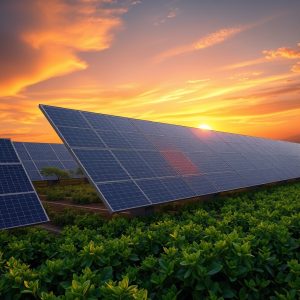
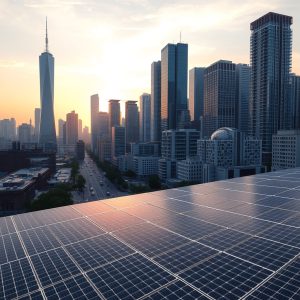
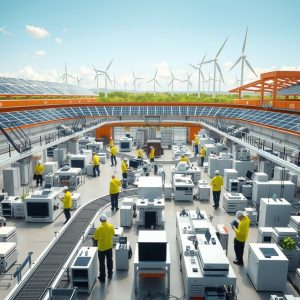
No discussion of closed loop manufacturing would be complete without addressing the role of renewable energy. After all, a system designed to minimize waste must also minimize its carbon footprint. Factories powered by solar, wind, or geothermal energy are not just reducing emissions; they are closing the loop on energy itself. By integrating renewable energy into the production process, manufacturers can ensure that the entire lifecycle of a product—from material extraction to end-of-life recycling—is powered by clean, sustainable sources.
This integration is particularly critical for bio-based materials, which often require energy-intensive processes to produce. For example, the cultivation of algae for biopolymers can be optimized using renewable energy, while the manufacturing of mycelium-based components can be powered by on-site solar arrays. The result is a system where every stage of production is in harmony with the environment, creating a truly circular economy.
The journey toward sustainable tech manufacturing is not a destination but a continuous evolution—a dance between innovation and responsibility, between progress and preservation. As closed loop systems and bio-based materials become more sophisticated, they are not just changing how we make technology; they are redefining what technology can be. No longer a force of extraction and waste, it is becoming a force of renewal, a testament to the idea that the future of electronics is not just green, but alive. In this alchemy of renewal, every device is a promise: that what we create today will nourish the world of tomorrow, rather than deplete it.