The Solar Skin Revolution: How Aesthetic and Adaptive Photovoltaics Are Redefining Urban Landscapyle
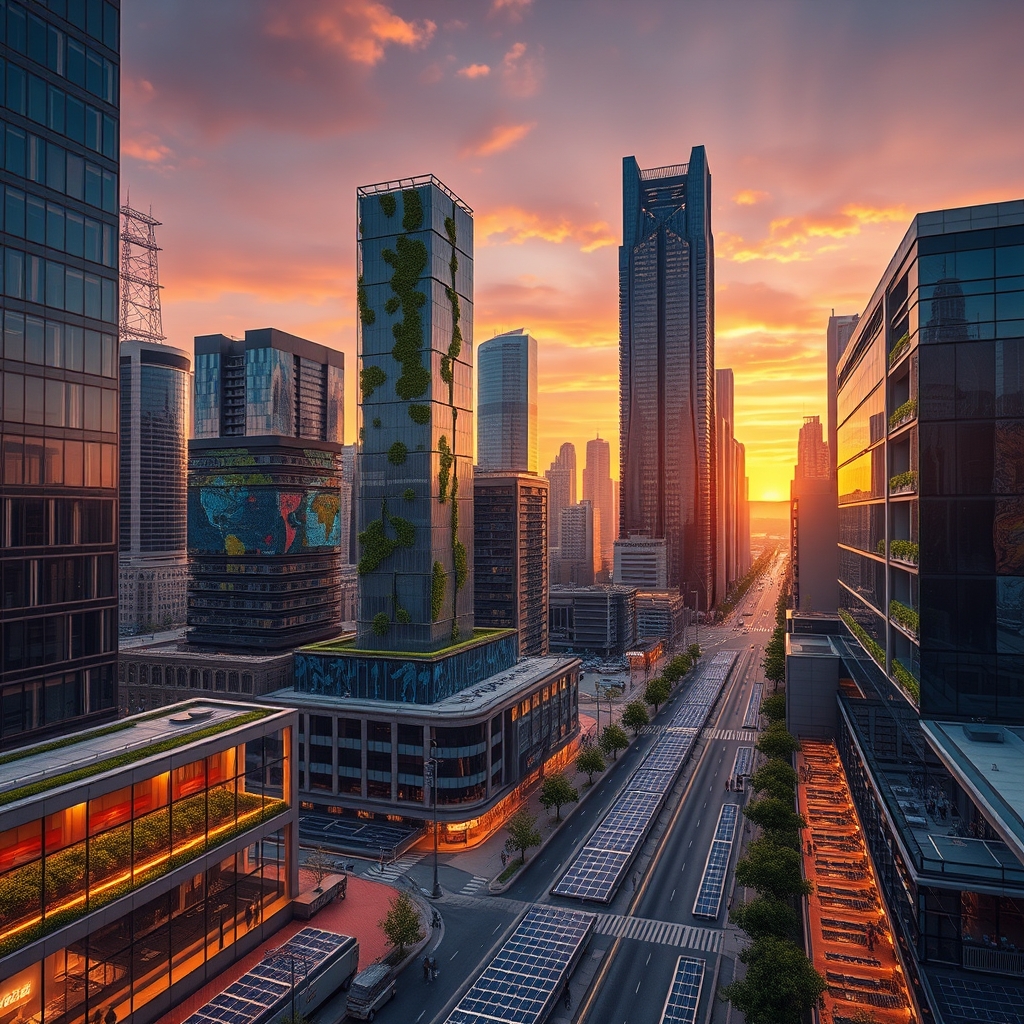
The hum of a city is a symphony of steel, glass, and concrete, each structure vying for attention under the vast expanse of the sky. Yet, beneath the surface of this urban cacophony, a quiet revolution is taking shape—one that blends the elegance of design with the raw power of the sun. Solar technology, long confined to rooftops and solar farms, is shedding its utilitarian skin and stepping into the spotlight as a seamless, almost invisible force of transformation. This is the era of solar skins: adaptive, aesthetic photovoltaics that are redefining not just how we generate energy, but how we perceive and interact with the built environment.
The Aesthetic Awakening of Solar Technology
For decades, solar panels have been synonymous with bulky, blue-tinged rectangles, their rigid forms clashing with the fluid lines of modern architecture. The disconnect between form and function has been a persistent barrier to widespread adoption, particularly in urban settings where aesthetics reign supreme. But what if solar panels could be as sleek as a smartphone screen, as unobtrusive as a windowpane, or as dynamic as a living wall? Enter the world of solar skins, where photovoltaics are no longer an afterthought but an integral part of design.
Companies like SolarSkin and Tesla Solar are leading the charge, developing customizable solar panels that mimic the appearance of roofing materials, facades, or even artistic murals. These innovations leverage advanced printing techniques to embed photovoltaic cells beneath a layer of high-resolution imagery, allowing buildings to generate power without sacrificing their visual appeal. Imagine a skyscraper in Dubai adorned with a shimmering mosaic of solar tiles, each one capturing sunlight while reflecting the city’s vibrant culture. Or a historic brownstone in Brooklyn, its solar skin seamlessly blending with the original brickwork, preserving the neighborhood’s charm while future-proofing its energy needs.
The Science Behind the Beauty
At the heart of this transformation lies a confluence of materials science, nanotechnology, and biotechnology. Traditional silicon-based solar cells, while efficient, are limited by their rigidity and opacity. The next generation of photovoltaics, however, is built on flexible, lightweight materials like perovskite and organic polymers. These substances can be printed onto thin, bendable substrates, opening up a world of possibilities for integration into curved surfaces, textiles, and even transparent windows.
Perovskite solar cells, in particular, have emerged as a game-changer. Unlike silicon, which requires high-temperature processing and rigid structures, perovskite can be manufactured using low-cost, solution-based methods. This not only reduces production costs but also allows for greater customization in terms of color, transparency, and shape. Researchers at institutions like the Massachusetts Institute of Technology (MIT) and Oxford University are exploring ways to enhance the stability and efficiency of perovskite cells, bringing them closer to commercial viability. When combined with bioengineered materials—such as light-harvesting proteins derived from algae—these cells could achieve efficiencies that rival, or even surpass, traditional silicon panels.
Adaptive Photovoltaics: Solar That Responds to Its Environment
But solar skins are not just about aesthetics; they are also about intelligence. The future of photovoltaics lies in their ability to adapt to their surroundings, optimizing energy capture while minimizing waste. Smart solar panels, equipped with sensors and machine learning algorithms, can adjust their angle, transparency, or even color in response to real-time environmental conditions. For instance, a solar facade in a desert city might darken during peak sunlight hours to maximize energy absorption, then lighten in the evening to reduce heat retention and lower cooling costs.
This adaptability extends to the integration of solar technology with other smart systems. Imagine a solar-powered smart grid where buildings communicate with one another, redistributing excess energy to where it’s needed most. Or a solar skin that doubles as a display screen, providing real-time data on energy production, weather forecasts, or even public art installations. Companies like SolarWindow Technologies are already developing transparent solar coatings for windows, which could turn entire skyscrapers into vertical power plants. When paired with energy storage systems, such as advanced lithium-ion or flow batteries, these adaptive photovoltaics could make urban energy grids more resilient, efficient, and sustainable.
The Role of Biotechnology in Solar Skins
Biotechnology is playing an increasingly pivotal role in the evolution of solar skins, particularly in the realm of biohybrid systems. Scientists are exploring ways to integrate photosynthetic organisms, such as cyanobacteria or algae, into photovoltaic materials to create living solar panels. These biohybrid systems harness the natural efficiency of photosynthesis, converting sunlight into energy while also absorbing carbon dioxide—a double win for sustainability. Research teams at Cambridge University and UCLA have demonstrated that such systems can generate electricity even in low-light conditions, making them ideal for urban environments where direct sunlight is often scarce.
Beyond energy generation, bioengineered solar skins could also contribute to urban biodiversity. Green roofs and living walls, already popular in sustainable architecture, could be enhanced with photovoltaic capabilities, creating habitats for pollinators and birds while generating clean energy. The synergy between biotechnology and solar power is not just about efficiency; it’s about reimagining the relationship between cities and nature, turning concrete jungles into thriving ecosystems.
The Urban Canvas: Solar Skins as a Medium for Art and Expression
As solar technology becomes more integrated into the fabric of urban life, it is also emerging as a new medium for artistic expression. Cities like Copenhagen and Singapore are already experimenting with solar-powered public art installations, where photovoltaic panels double as canvases for murals, light projections, or interactive displays. These projects not only beautify public spaces but also engage communities in conversations about sustainability and innovation.
One striking example is the Solar Mural Project in Austin, Texas, where local artists collaborated with engineers to create a series of solar-powered murals that tell the story of the city’s energy transition. Each mural is embedded with solar cells, generating enough electricity to power nearby streetlights or community centers. This fusion of art and technology transforms solar panels from mere functional objects into symbols of cultural identity and collective aspiration.
The potential for solar skins to redefine urban landscapes is boundless. From skyscrapers that change color with the seasons to sidewalks embedded with kinetic solar tiles that generate power from foot traffic, the future of cities is one where energy generation is not just invisible but inspiring. As architects, engineers, and artists continue to push the boundaries of what’s possible, solar skins will become a defining feature of the 21st-century metropolis—a testament to humanity’s ability to harmonize technology with beauty, and progress with sustainability.
The sun has always been the lifeblood of our planet, its rays fueling the growth of crops, the rhythm of ecosystems, and the very essence of life. Now, as we stand on the cusp of a new era, it is also becoming the lifeblood of our cities. The solar skin revolution is more than a technological breakthrough; it is a cultural shift, a reimagining of what it means to live in harmony with our environment. In the dance between light and shadow, form and function, innovation and tradition, we are not just capturing the sun’s energy—we are capturing its spirit, weaving it into the very fabric of our urban dreams.