The Alchemy of Renewal: Crafting Tomorrow’s Electronics Through Sustainable Tech Manufacturing
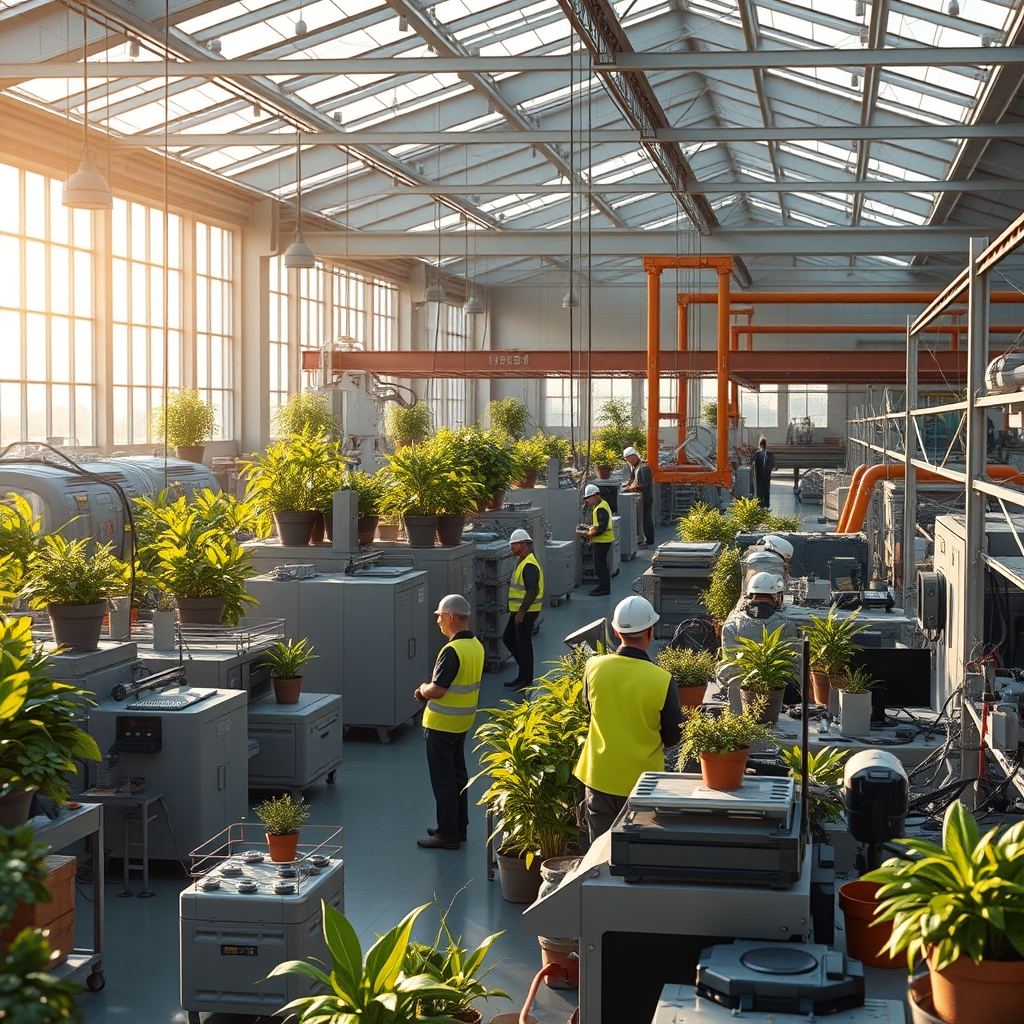
In the heart of the tech industry, a silent revolution is unfolding. It’s not about the devices we use, but how we make them. Sustainable tech manufacturing is reshaping the landscape, blending innovation with responsibility. This is the alchemy of renewal, where every component, every process, and every decision contributes to a greener, more sustainable future.
Circular Design Processes: The Blueprint of Renewal
At the core of sustainable tech manufacturing lies circular design. It’s a departure from the traditional linear model, where products are made, used, and discarded. Circular design, on the other hand, aims to keep products, components, and materials at their highest value and utility at all times. It’s about creating products that are as easy to disassemble and reassemble as they are to manufacture.
The Role of Closed Loop Systems
Closed loop systems are a key player in this design philosophy. They ensure that all materials are reused, recycled, or composted, minimizing waste and maximizing resource efficiency. By integrating closed loop systems, manufacturers can create a continuous cycle of materials, reducing the need for virgin resources and the environmental impact of mining and extraction.
Green Electronics Production: The Heart of the Matter
Green electronics production is another critical aspect of sustainable tech manufacturing. It involves using eco-friendly materials, energy-efficient processes, and waste reduction strategies. The goal is to create electronics that are not only functional but also environmentally responsible.
Ethical Material Sourcing
Ethical material sourcing is a cornerstone of green electronics production. It involves selecting materials that are sourced responsibly, have a low environmental impact, and are free from harmful substances. This could mean choosing materials that are recycled, biodegradable, or produced using renewable energy.
Renewable Energy Integration: Powering the Future
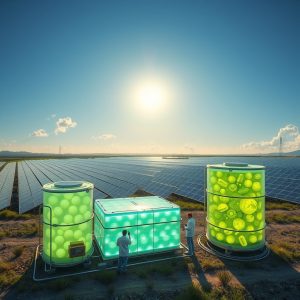
Renewable energy integration is a game-changer in sustainable tech manufacturing. By harnessing the power of the sun, wind, and other renewable sources, manufacturers can significantly reduce their carbon footprint. This is not just about using renewable energy to power the manufacturing process, but also about integrating renewable energy into the products themselves.
Energy Optimized Fabrication
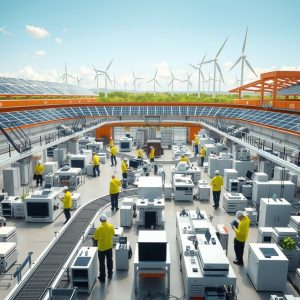
Energy optimized fabrication is a key strategy in renewable energy integration. It involves using the most efficient processes and equipment to minimize energy consumption. This could mean using solar-powered manufacturing equipment, implementing energy-efficient algorithms, or optimizing the layout of the manufacturing facility to minimize energy use.
Life Cycle Assessment: The Mirror of Sustainability
Life cycle assessment (LCA) is a powerful tool in sustainable tech manufacturing. It’s a systematic approach to evaluating the environmental impacts associated with all the stages of a product’s life, from raw material extraction through materials processing, manufacture, distribution, use, repair and maintenance, and disposal or recycling.
Waste Reduction Strategies
Waste reduction strategies are a key component of LCA. They involve identifying and minimizing waste at every stage of the product’s life cycle. This could mean using less material, reusing materials, recycling materials, or finding alternative uses for waste materials.
In the heart of the tech industry, a silent revolution is unfolding. It’s not about the devices we use, but how we make them. Sustainable tech manufacturing is reshaping the landscape, blending innovation with responsibility. This is the alchemy of renewal, where every component, every process, and every decision contributes to a greener, more sustainable future. As we continue to explore and innovate, we must remember that the path to sustainability is not a straight line, but a complex, interconnected web of choices, challenges, and opportunities. The future of tech is not just about what we make, but how we make it.