The Silent Metamorphosis: How Energy-Optimized Fabrication and Minimalist Tech Design Are Redefining Sustainable Manufacturing
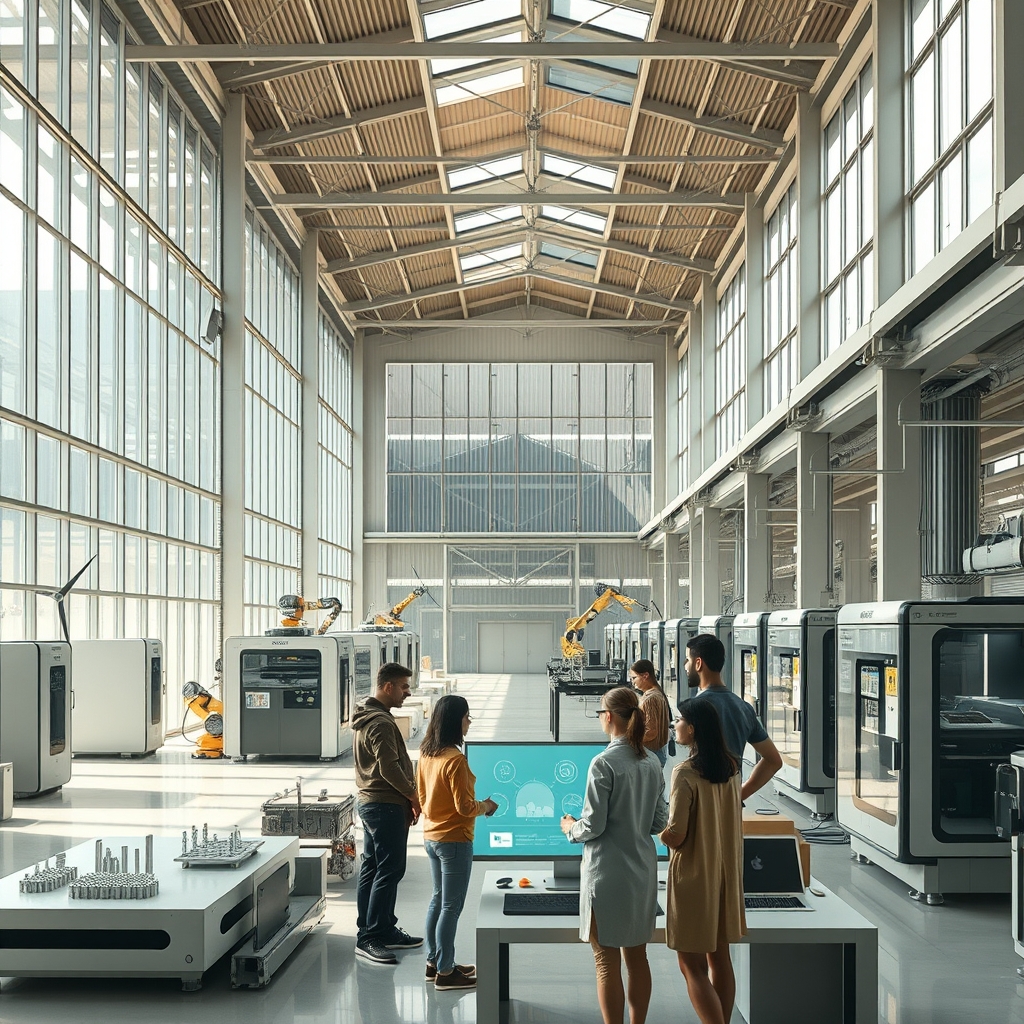
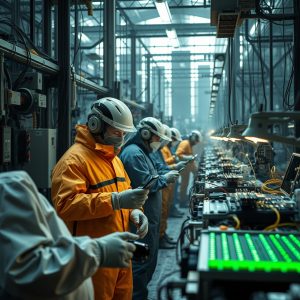
The hum of machinery in modern factories is no longer the deafening roar of the industrial age. Instead, it has softened into a quiet murmur, a whisper of efficiency and intention. This transformation is not accidental but the result of a deliberate shift toward energy-optimized fabrication—a process where every watt of power, every gram of material, and every second of production is scrutinized for its environmental impact. The goal is no longer just to create, but to create responsibly, with minimal waste and maximal foresight.
The Philosophy of Less
At the heart of this quiet revolution lies minimalist tech design, a philosophy that challenges the long-held belief that more is better. In an era where gadgets are often laden with unnecessary features, minimalist design strips away the excess, focusing on functionality, durability, and elegance. This approach is not merely aesthetic; it is a radical rethinking of how technology should serve humanity without burdening the planet. By prioritizing simplicity, engineers and designers are discovering that less can indeed be more—more sustainable, more efficient, and more meaningful.
Consider the smartphone, a device that has become ubiquitous in modern life. Traditional designs often incorporate a plethora of sensors, cameras, and components that serve niche purposes, many of which are rarely used. Minimalist tech design, however, reimagines the smartphone as a tool with only the essential features, reducing the number of components and, consequently, the energy and materials required for production. This not only lowers the carbon footprint of the device but also extends its lifespan, as fewer components mean fewer points of failure.
The Alchemy of Energy-Optimized Fabrication
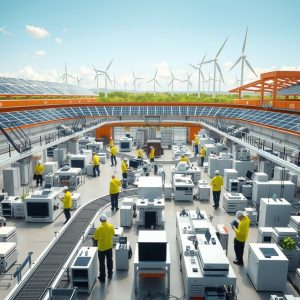
Energy-optimized fabrication is the engine that powers this minimalist vision. It is a holistic approach that integrates renewable energy sources, advanced automation, and smart manufacturing techniques to minimize energy consumption. Factories are no longer energy-guzzling behemoths but finely tuned ecosystems where every process is designed to be as efficient as possible. Solar panels, wind turbines, and even kinetic energy recovery systems are becoming standard features in these facilities, ensuring that the energy used is as clean as it is efficient.
One of the most compelling examples of this approach is the use of additive manufacturing, or 3D printing, in tech production. Unlike traditional subtractive manufacturing, which carves away material to create a product, additive manufacturing builds products layer by layer, using only the material necessary. This not only reduces waste but also allows for the creation of complex, lightweight structures that would be impossible to achieve with conventional methods. When combined with renewable energy sources, additive manufacturing becomes a powerful tool for sustainable production, drastically reducing the carbon footprint of tech manufacturing.
Closed Loops and Circular Thinking
Energy-optimized fabrication is not just about reducing energy consumption; it is also about rethinking the entire lifecycle of a product. Closed-loop manufacturing, a cornerstone of sustainable tech production, ensures that materials are reused, recycled, or repurposed at the end of a product’s life. This approach eliminates the concept of waste, transforming it into a valuable resource that can be fed back into the production cycle. Companies are increasingly adopting circular design processes, where products are designed from the outset to be disassembled, repaired, or recycled, ensuring that nothing is discarded prematurely.
For instance, modular design is gaining traction in the tech industry. Products like laptops and smartphones are being designed with interchangeable parts, allowing users to upgrade or replace components without discarding the entire device. This not only extends the lifespan of the product but also reduces the demand for raw materials, as fewer devices need to be manufactured from scratch. When combined with energy-optimized fabrication, modular design becomes a powerful strategy for reducing the environmental impact of tech production.
The Role of Ethical Material Sourcing
No discussion of sustainable tech manufacturing would be complete without addressing the materials that form the building blocks of our devices. Ethical material sourcing is a critical component of energy-optimized fabrication, ensuring that the materials used are not only environmentally friendly but also ethically procured. This means avoiding conflict minerals, reducing reliance on rare earth elements, and prioritizing materials that are abundant, recyclable, or bio-based.
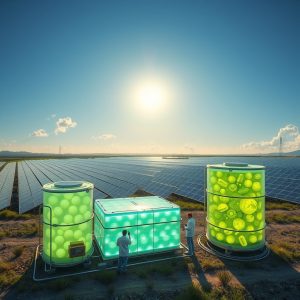
Bio-based tech materials, in particular, are emerging as a game-changer in sustainable manufacturing. Derived from renewable resources like plant fibers, algae, and even fungi, these materials offer a viable alternative to traditional plastics and metals. They are not only biodegradable but also require significantly less energy to produce, making them an ideal choice for energy-optimized fabrication. Companies are experimenting with bio-based polymers, mycelium-based composites, and even lab-grown materials to create products that are as sustainable as they are innovative.
The Future of Sustainable Tech Manufacturing
The convergence of minimalist tech design and energy-optimized fabrication is not just a trend; it is a fundamental shift in how we think about technology and its role in society. As consumers become more conscious of their environmental impact, the demand for sustainable tech products will continue to grow. Companies that embrace these principles will not only reduce their carbon footprint but also gain a competitive edge in an increasingly eco-conscious market.
Yet, the journey toward sustainable tech manufacturing is not without its challenges. It requires a willingness to challenge the status quo, to invest in new technologies, and to rethink long-established processes. But the rewards are immense: a cleaner planet, a more sustainable economy, and a future where technology serves humanity without compromising the environment. The quiet revolution is already underway, and its ripple effects will be felt for generations to come. As we stand on the brink of this new era, it is clear that the future of tech manufacturing is not just about what we create, but how we create it.