The Solar Alchemy: How Bioengineered Enzymes Are Transforming Waste into Clean Energy Gold

In the heart of a bustling city, where the hum of activity never ceases, a quiet revolution is taking place. It’s not the kind of revolution that makes headlines, but it’s no less significant. It’s the revolution of bioengineered enzymes, transforming waste into clean energy gold.
The Alchemy of Waste
Imagine a world where the trash we produce is not just a burden but a resource. A world where bioengineered enzymes act as alchemists, turning the waste we discard into clean energy. This is not a far-fetched dream but a reality that’s rapidly becoming a part of our lives.
The Role of Bioengineered Enzymes
Bioengineered enzymes are the key players in this revolution. These enzymes are designed in laboratories to perform specific tasks, and one of their most promising roles is in waste management. They can break down complex organic materials into simpler, more manageable components, which can then be used to produce energy.
The Process of Waste to Energy
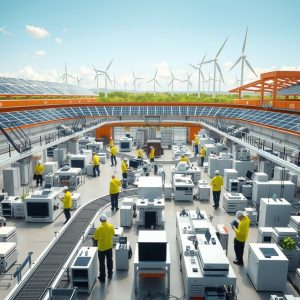
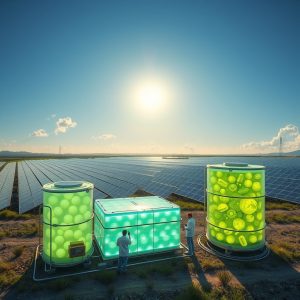
The process begins with the collection of waste. This waste can be anything from food scraps to paper and cardboard. The waste is then fed into a bioreactor, where bioengineered enzymes are added. These enzymes work tirelessly, breaking down the waste into simpler components. The by-products of this process are then used to produce energy.
The Benefits of This Process
There are numerous benefits to this process. Firstly, it reduces the amount of waste that ends up in landfills. This not only reduces the environmental impact but also saves space. Secondly, it produces clean energy. The energy produced is renewable and sustainable, making it a viable alternative to fossil fuels. Lastly, it creates jobs. The process requires skilled labor, and it can be a significant source of employment.
The Future of Waste Management
As we look to the future, the role of bioengineered enzymes in waste management is set to grow. With advancements in biotechnology, we can expect to see more efficient and effective enzymes. This will not only improve the process of waste to energy but also open up new avenues for research and innovation.
In conclusion, the revolution of bioengineered enzymes is transforming waste into clean energy gold. It’s a quiet revolution, but it’s a significant one. It’s a testament to the power of innovation and the potential of biotechnology. As we continue to explore and harness this potential, we can look forward to a future where waste is no longer a burden but a resource.