The Hidden Power Beneath: How Geothermal Innovation and Long-Duration Storage Are Forging the Path to 24/7 Renewable Energy
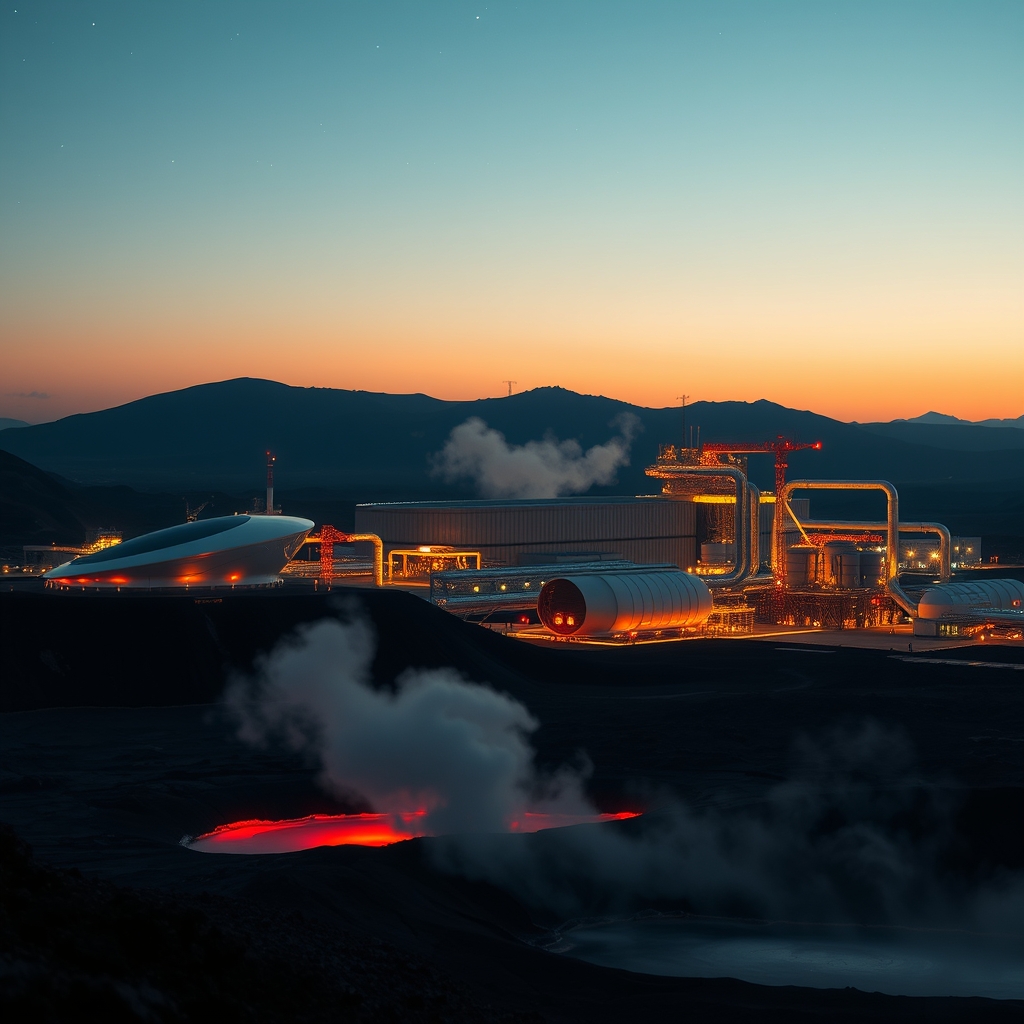
The Earth hums with an ancient, untapped energy—a slow, steady pulse of heat rising from its molten core, waiting to be harnessed. For decades, geothermal energy has lingered in the shadows of solar and wind, its potential underestimated, its challenges overshadowed by the allure of more visible renewables. Yet, as the world races toward a carbon-neutral future, the quiet revolution of geothermal innovation is emerging as a cornerstone of a resilient, round-the-clock energy system. Paired with the transformative promise of long-duration energy storage, it is redefining what it means to power our world sustainably.
The Sleeping Giant Awakens
Geothermal energy is not new. Humans have bathed in its warmth for millennia, and power plants have tapped into its steam for over a century. But traditional geothermal systems have been limited by geography, confined to regions where heat and water intersect near the surface—places like Iceland, the Philippines, and the geysers of California. These locations, while productive, represent only a fraction of the Earth’s geothermal potential. The real breakthrough lies in unlocking the vast, untapped reservoirs of heat that lie beneath nearly every continent, waiting for the right technology to set them free.
Enhanced Geothermal Systems (EGS) are the key to this transformation. Unlike conventional geothermal plants, which rely on naturally occurring steam or hot water, EGS creates its own reservoirs by injecting fluid into hot, dry rock formations deep underground. The fluid fractures the rock, creating pathways for heat exchange, and is then pumped back to the surface as steam to drive turbines. This approach dramatically expands the reach of geothermal energy, making it viable in regions once considered unsuitable. Countries like Germany, France, and even the United States are now exploring EGS projects, signaling a shift from niche energy source to global powerhouse.
The Marriage of Heat and Storage
Yet, even as geothermal innovation breaks new ground, it faces a fundamental challenge: consistency. While geothermal plants provide a steady, baseload power supply—unlike the intermittent nature of solar and wind—they are not immune to fluctuations in demand. This is where long-duration energy storage (LDES) enters the picture, forming a symbiotic relationship that could redefine energy resilience. LDES technologies, such as pumped hydro storage, compressed air energy storage (CAES), and emerging battery chemistries like iron-air and flow batteries, are designed to store excess energy for hours, days, or even weeks. When paired with geothermal, they create a seamless energy ecosystem that can balance supply and demand with unprecedented precision.
Consider a scenario where a geothermal plant operates at full capacity during off-peak hours, storing excess energy in a long-duration system. As demand surges—perhaps during a heatwave or a cold snap—the stored energy is released, supplementing the geothermal output and ensuring a stable grid. This synergy not only maximizes the efficiency of geothermal plants but also reduces the need for fossil fuel backup, accelerating the transition to a fully renewable energy system. Companies like Form Energy, with their iron-air batteries, and Hydrostor, with their advanced CAES systems, are already pioneering solutions that could make this vision a reality.
The Environmental Edge
Beyond its reliability, geothermal energy offers a compelling environmental advantage: a minimal footprint. Unlike solar farms that sprawl across vast landscapes or wind turbines that dot the horizon, geothermal plants occupy relatively small areas, often blending seamlessly into their surroundings. Their underground nature means they produce negligible visual or noise pollution, making them ideal for both urban and remote settings. Moreover, modern geothermal plants emit only a fraction of the greenhouse gases associated with fossil fuels, and advancements in closed-loop systems are further reducing their environmental impact.
Long-duration storage, too, is evolving to meet sustainability goals. Traditional lithium-ion batteries, while effective for short-term storage, are resource-intensive and face recycling challenges. In contrast, LDES technologies like pumped hydro and compressed air rely on abundant, non-toxic materials, offering a more sustainable path forward. As these technologies mature, they will play a critical role in ensuring that the energy transition is not only clean but also circular—minimizing waste and maximizing resource efficiency.
A Global Movement Takes Shape
The momentum behind geothermal and long-duration storage is building across the globe. In Kenya, the Olkaria Geothermal Plant is expanding its capacity, providing nearly half of the country’s electricity and demonstrating the potential of geothermal in emerging economies. Meanwhile, in the United States, the Department of Energy’s GeoVision study estimates that geothermal could supply up to 16% of the nation’s electricity by 2050, a staggering increase from its current 0.4%. Similarly, countries like Indonesia, Turkey, and New Zealand are ramping up investments in geothermal, recognizing its role in diversifying their energy portfolios.
On the storage front, the European Union is leading the charge with ambitious projects like the European Battery Alliance, which aims to develop a robust LDES ecosystem. In Australia, the Snowy Hydro 2.0 project—a massive pumped hydro storage system—is set to become a linchpin of the country’s renewable energy grid. These initiatives are not just technological feats; they are testaments to a growing recognition that the future of energy lies in integration—combining diverse sources and storage solutions to create a system that is greater than the sum of its parts.
The Road Ahead: Challenges and Opportunities
Despite its promise, the path to widespread geothermal adoption is not without obstacles. High upfront costs, geological risks, and regulatory hurdles have historically slowed progress. Drilling deep into the Earth is an expensive and uncertain endeavor, and not every project will strike the right balance of heat and permeability. However, advancements in drilling technology, such as plasma and laser drilling, are reducing costs and improving success rates. Meanwhile, governments and private investors are increasingly willing to shoulder the risks, drawn by the long-term benefits of a stable, renewable energy source.
For long-duration storage, the challenges are equally complex. Scaling up emerging technologies requires significant capital, and market structures often favor short-term solutions over long-term resilience. Yet, as extreme weather events become more frequent and energy demand grows, the value of LDES is becoming impossible to ignore. Policymakers are beginning to take notice, with incentives and mandates for energy storage cropping up in markets around the world. The Inflation Reduction Act in the United States, for example, includes provisions to accelerate the deployment of LDES, signaling a shift in priorities toward a more flexible and reliable grid.
The fusion of geothermal innovation and long-duration storage is more than a technological breakthrough—it is a paradigm shift. It represents a future where energy is not just clean but constant, where the Earth’s heat and human ingenuity combine to power a world that never sleeps. As we stand on the brink of this new era, the question is no longer whether we can achieve 24/7 renewable energy, but how quickly we can make it a reality. The tools are within our grasp; the time to act is now. The heat beneath our feet is not just a resource—it is an invitation to reimagine what is possible, to build a system that is as enduring as the planet itself, and to leave behind the flickering uncertainties of the past for the steady, unwavering glow of a sustainable future.