Grid Integration Challenges and Solutions for Renewable Energy
The global shift toward renewable energy sources like solar, wind, and hydroelectric power is accelerating, driven by the urgent need to reduce carbon emissions and combat climate change. However, integrating these variable and decentralized energy sources into existing power grids presents significant technical and regulatory challenges. Unlike traditional fossil fuel-based power plants, renewables are intermittent, location-dependent, and often distributed across vast areas, making their seamless integration a complex endeavor. Addressing these challenges is critical to ensuring grid stability, reliability, and the long-term viability of the energy transition.
The Intermittency Problem: Balancing Supply and Demand
One of the most pressing technical hurdles in renewable energy integration is intermittency. Solar and wind power generation fluctuates based on weather conditions, time of day, and seasonal variations. Unlike conventional power plants, which can provide a steady and predictable output, renewables introduce variability that can strain grid operations. When supply does not align with demand, grid operators must compensate by ramping up or down other power sources, often relying on fossil fuel-based peaker plants. This not only undermines the environmental benefits of renewables but also increases operational costs and complexity.
To mitigate intermittency, grid operators are increasingly turning to advanced forecasting tools that leverage artificial intelligence and machine learning. These systems analyze historical weather data, real-time conditions, and grid demand patterns to predict renewable energy output with greater accuracy. By improving forecasting, operators can better anticipate supply fluctuations and adjust grid operations proactively, reducing the need for last-minute adjustments and enhancing overall stability.
Grid Infrastructure: Modernizing for a Renewable Future
Existing power grids were designed for a centralized energy system, where large power plants generate electricity and transmit it one-way to consumers. Renewable energy, however, is often decentralized, with solar panels on rooftops and wind farms in remote locations. This shift requires a more flexible and resilient grid infrastructure capable of handling bidirectional power flows, accommodating distributed energy resources (DERs), and managing voltage and frequency fluctuations.
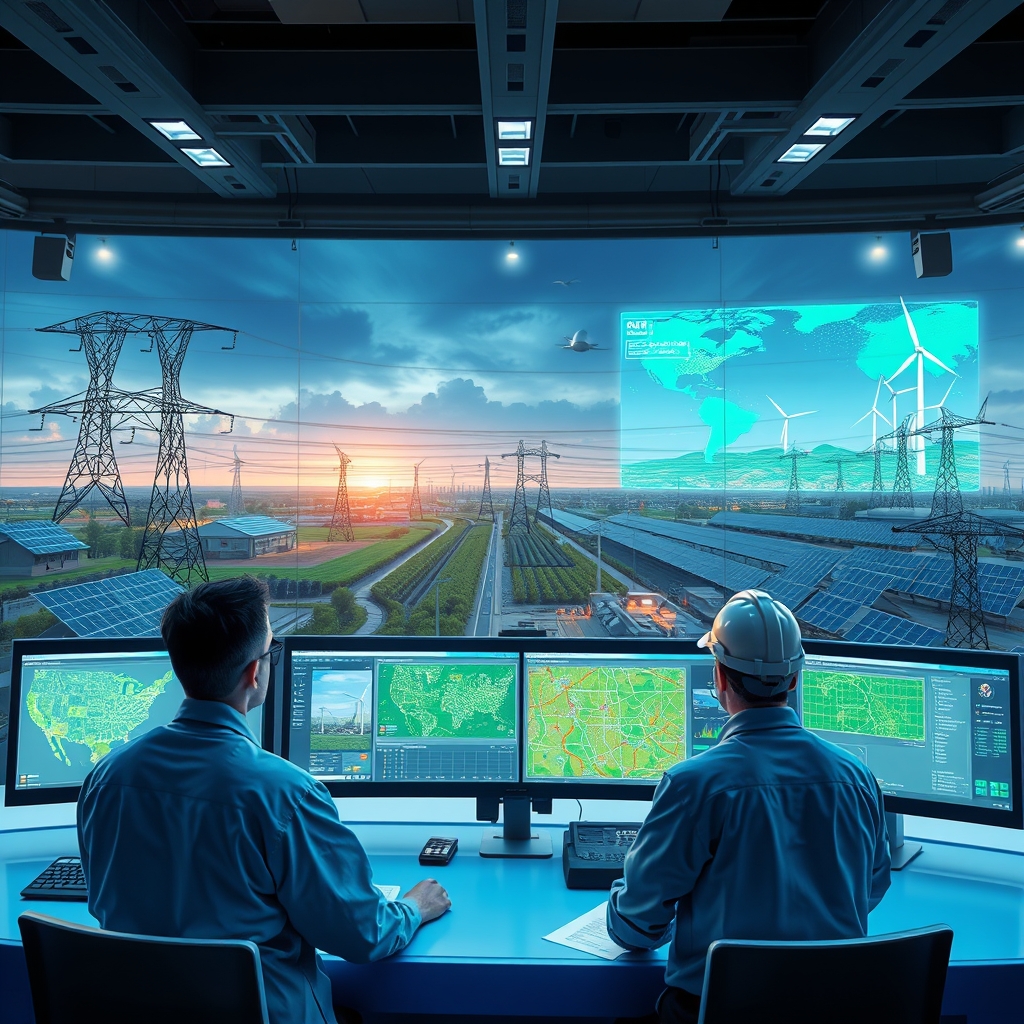
Upgrading grid infrastructure is no small feat. It involves significant investments in transmission and distribution networks, as well as the deployment of smart grid technologies. Smart grids use digital communication and automation to monitor and control grid operations in real time, enabling faster response to changes in supply and demand. For example, smart meters and sensors can detect imbalances and automatically adjust power flows, while advanced inverters can help stabilize voltage levels. These innovations are essential for integrating high levels of renewable energy without compromising grid reliability.
Grid-Scale Storage: The Key to Stability
Energy storage systems play a pivotal role in addressing the intermittency of renewables by storing excess energy when production is high and releasing it when demand peaks. Grid-scale storage solutions, such as lithium-ion batteries, pumped hydro storage, and emerging technologies like flow batteries and compressed air energy storage, provide a buffer that smooths out supply fluctuations. These systems not only enhance grid stability but also reduce the need for fossil fuel-based backup power, further lowering carbon emissions.
In addition to large-scale storage, distributed storage solutions, such as home battery systems, are gaining traction. These systems allow consumers to store excess energy generated by their solar panels and use it during periods of low production or high demand. By decentralizing storage, grids can become more resilient and less reliant on centralized infrastructure, reducing the risk of widespread outages and improving overall efficiency.
Regulatory and Market Barriers
While technical solutions are critical, regulatory and market frameworks must also evolve to support renewable energy integration. Many existing regulations were designed for a fossil fuel-dominated energy system and can create barriers for renewables. For example, outdated interconnection standards may delay the approval of new renewable projects, while market rules may not adequately compensate providers for the flexibility and ancillary services they offer.
To overcome these challenges, policymakers are implementing reforms such as streamlined interconnection processes, time-of-use pricing, and capacity markets that reward flexibility. Demand response programs, which incentivize consumers to adjust their energy usage during peak periods, are also gaining popularity. These programs help balance supply and demand by reducing strain on the grid during high-demand periods, making it easier to integrate variable renewables.
Demand Response: Empowering Consumers
Demand response systems are a powerful tool for managing grid stability in a renewable-heavy energy system. These systems allow utilities to communicate with consumers in real time, encouraging them to reduce or shift their energy usage during periods of high demand or low renewable output. For example, smart thermostats can automatically adjust temperature settings in homes to reduce energy consumption during peak hours, while industrial facilities can temporarily scale back non-essential operations.
By engaging consumers in grid management, demand response programs not only enhance stability but also reduce the need for expensive grid upgrades. They also empower consumers to play an active role in the energy transition, fostering a more collaborative and sustainable energy ecosystem.
International Collaboration and Innovation
Grid integration challenges are not unique to any one country or region, and international collaboration is essential for sharing best practices and accelerating innovation. Countries like Denmark and Germany have made significant strides in integrating high levels of wind and solar power, offering valuable lessons for others. For instance, Denmark’s use of flexible grid operations and interconnections with neighboring countries has enabled it to achieve one of the highest shares of renewable energy in the world.
Innovation in grid technologies is also advancing rapidly, with breakthroughs in areas like high-voltage direct current (HVDC) transmission, which enables efficient long-distance power transfer, and virtual power plants, which aggregate distributed energy resources to function as a single, flexible power source. These innovations are critical for scaling up renewable energy integration and ensuring grids can handle the demands of a decarbonized future.
The journey toward a renewable-powered grid is fraught with challenges, but the solutions are within reach. By embracing smart grid technologies, energy storage, demand response systems, and regulatory reforms, we can overcome the barriers to integration and build a more resilient, sustainable, and equitable energy system. The transition will require collaboration among policymakers, utilities, technology providers, and consumers, but the rewards—a cleaner, more reliable, and affordable energy future—are well worth the effort. As we continue to innovate and adapt, the vision of a fully renewable grid moves closer to reality, offering hope for a healthier planet and a brighter future for generations to come.