The Solar Resilience Revolution: How Self-Healing Materials and Smart Grids Are Forging the Future of Renewable Energy
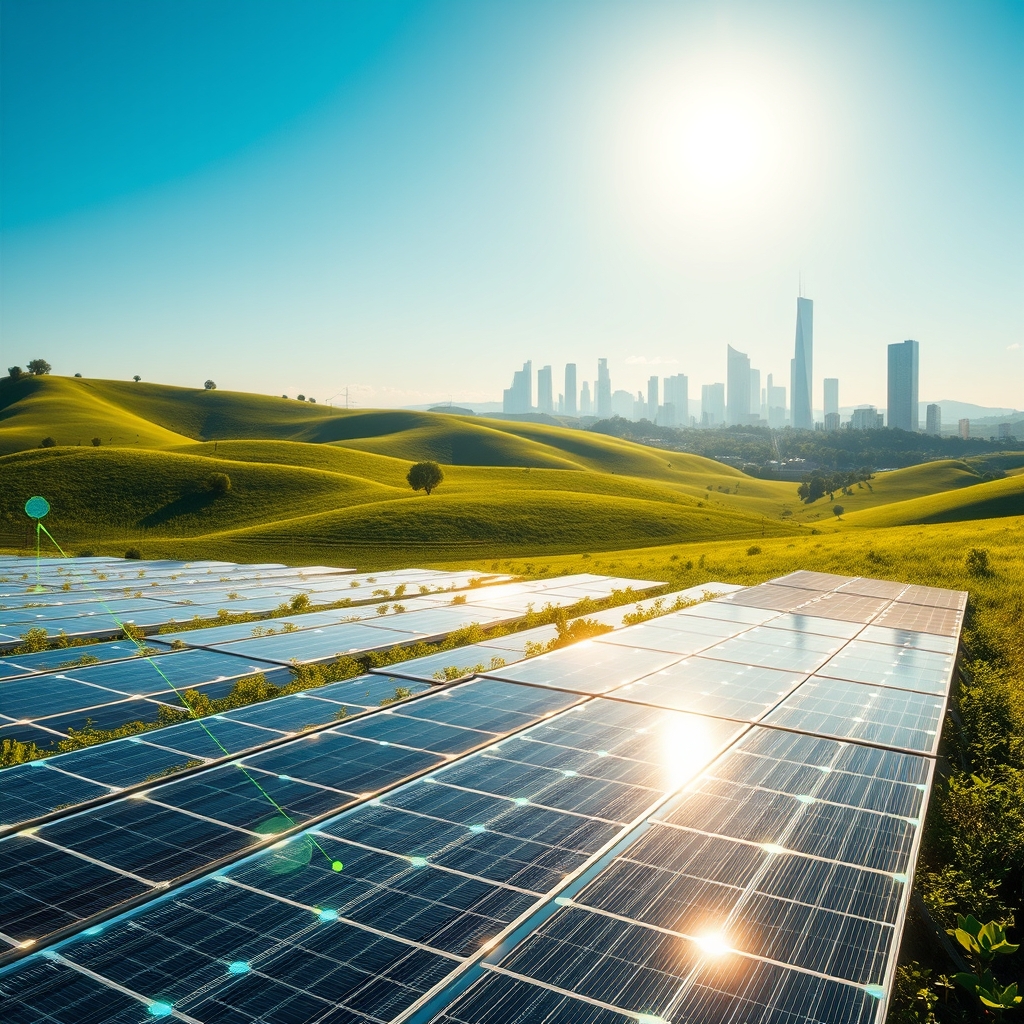
The sun has always been the Earth’s most abundant and reliable energy source, but harnessing its power efficiently and sustainably has long been a challenge. Today, a new wave of innovation is transforming solar technology from a static, fragile system into a dynamic, resilient network capable of adapting to the demands of the modern world. At the heart of this transformation lies the convergence of self-healing materials, advanced biotechnology, and smart grid technology—three pillars that are redefining what it means to generate, store, and distribute clean energy.
The Rise of Self-Healing Solar Panels
Traditional solar panels are vulnerable to wear and tear, from micro-cracks caused by hail to degradation from prolonged exposure to the elements. These flaws not only reduce efficiency but also shorten the lifespan of solar installations, increasing maintenance costs and environmental waste. Enter self-healing materials—a breakthrough inspired by biological systems like human skin, which can repair itself after minor injuries. Researchers are now embedding microcapsules filled with healing agents into solar panel coatings. When a crack forms, these capsules rupture, releasing a polymer that seals the damage and restores functionality. Some cutting-edge designs even incorporate bioengineered enzymes that trigger chemical reactions to mend fractures at a molecular level.
The implications are profound. Self-healing solar panels could extend the lifespan of installations by decades, drastically reducing the need for replacements and lowering the overall carbon footprint of solar energy. Imagine a world where solar farms operate with near-zero maintenance, where rooftop panels on homes and businesses remain efficient for generations. This isn’t science fiction—it’s the next frontier of renewable energy technology.
Smart Grids: The Nervous System of the Solar Revolution
Even the most advanced solar panels are only as effective as the grid they feed into. Traditional energy grids were designed for a one-way flow of power, from centralized plants to consumers. But the rise of distributed energy resources—like rooftop solar, community solar projects, and microgrids—demands a more flexible, intelligent system. Smart grids are the answer. These digital networks use real-time data, AI-driven analytics, and IoT-enabled devices to balance supply and demand, integrate energy storage, and optimize distribution.
One of the most exciting developments in smart grid technology is the use of machine learning to predict energy consumption patterns. By analyzing weather forecasts, historical usage data, and even social trends (like peak hours for electric vehicle charging), these systems can dynamically adjust energy flows to prevent waste and reduce costs. Additionally, smart grids enable peer-to-peer energy trading, allowing homeowners with excess solar power to sell it directly to neighbors, creating a decentralized, community-driven energy economy.
But the true power of smart grids lies in their ability to integrate with other renewable technologies. For example, when solar production dips during cloudy days, the grid can automatically draw from battery storage systems or even bioengineered energy sources, like microbial fuel cells. This seamless interplay between technologies ensures a steady, reliable supply of clean energy, even in the face of unpredictable conditions.
Bioengineering’s Role in Solar Resilience
Biotechnology is playing an increasingly vital role in enhancing the resilience of solar energy systems. One of the most promising areas of research is the development of biohybrid solar cells, which combine photosynthetic organisms with traditional photovoltaic materials. For instance, scientists have engineered cyanobacteria to produce electricity directly from sunlight, creating living solar panels that can self-repair and adapt to changing light conditions. These biohybrid systems are not only more durable but also capable of generating power in low-light environments, such as dense urban areas or regions with frequent cloud cover.
Another groundbreaking innovation is the use of genetically modified plants to improve the efficiency of agrivoltaic systems—where solar panels are installed above farmland. By engineering crops to thrive in partial shade, researchers can maximize both energy production and agricultural yield. This dual-use approach not only conserves land but also creates a symbiotic relationship between food and energy production, making solar farms more sustainable and economically viable.
The Future of Energy Storage: Beyond Lithium-Ion
No discussion of solar resilience would be complete without addressing energy storage. While lithium-ion batteries have dominated the market, their limitations—high cost, limited lifespan, and environmental concerns—have spurred a search for alternatives. Enter bioengineered energy storage systems. Researchers are exploring the use of organic molecules, like quinones, which can store and release energy more efficiently than traditional batteries. These molecules can be derived from renewable sources, making them a sustainable option for large-scale energy storage.
Another promising avenue is the development of flow batteries, which use liquid electrolytes to store energy. Unlike lithium-ion batteries, flow batteries can be scaled up indefinitely, making them ideal for grid storage. Some companies are even experimenting with bio-based electrolytes, further reducing the environmental impact of energy storage. When combined with smart grid technology, these innovations could eliminate one of the biggest barriers to widespread solar adoption: intermittency.
Building a Resilient Energy Ecosystem
The future of solar energy isn’t just about generating more power—it’s about creating a system that can withstand the challenges of a changing climate, evolving technology, and growing energy demands. Self-healing materials, smart grids, and bioengineering are not isolated innovations; they are interconnected pieces of a larger puzzle. Together, they form the foundation of a resilient energy ecosystem that is adaptable, sustainable, and capable of powering the world for generations to come.
As these technologies mature, they will not only reduce our reliance on fossil fuels but also democratize energy production, giving communities the tools to generate, store, and share power on their own terms. The solar revolution is no longer just about capturing the sun’s rays—it’s about building a future where energy is as dynamic and resilient as the natural world that inspires it. The tools are here, the innovations are underway, and the path forward is illuminated by the promise of a cleaner, smarter, and more sustainable energy landscape.