
The Invisible Weave: How Transparent Green Supply Chains and Resource-Efficient Production Are Crafting the Next Era of Sustainable Tech
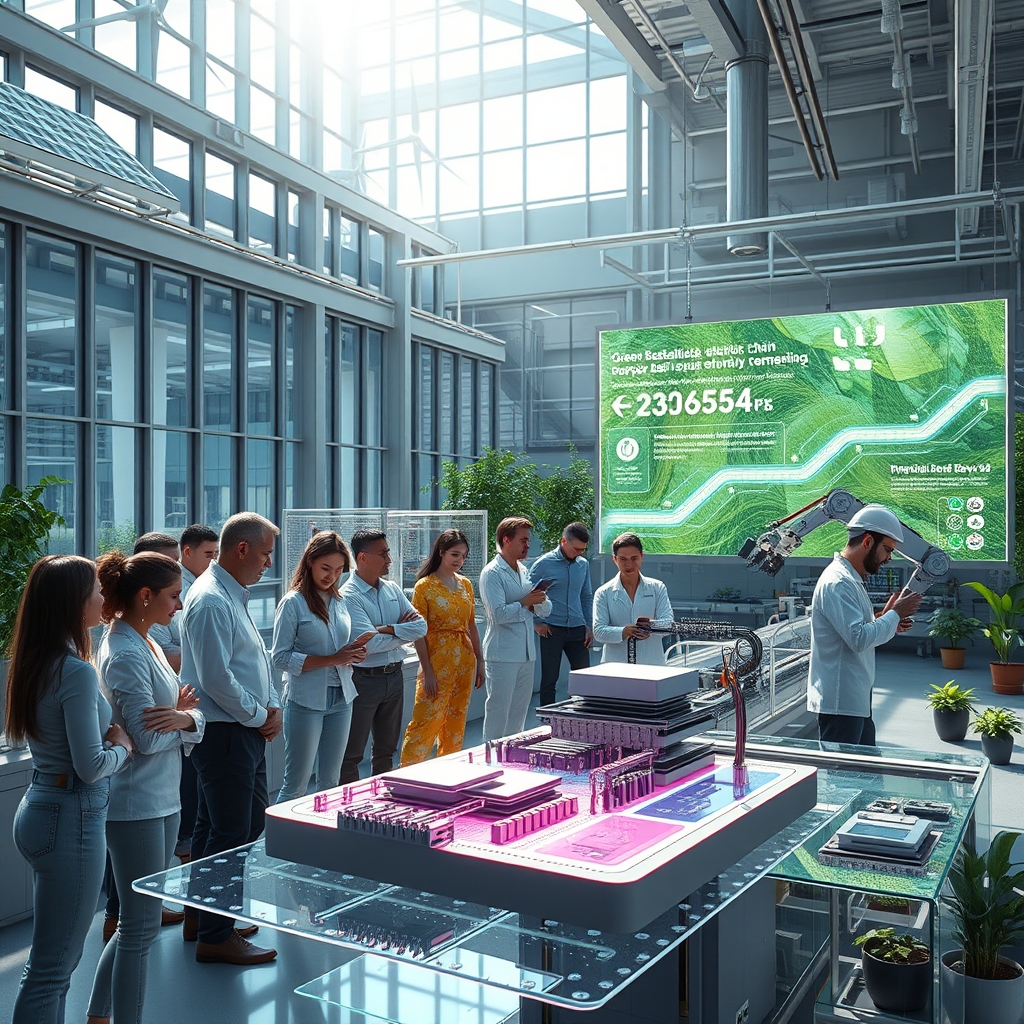
The hum of a modern electronics factory is no longer just the sound of machinery—it’s the quiet rhythm of a revolution. Behind the sleek surfaces of our devices lies an intricate dance of innovation, where every component, every process, and every decision is measured not just by efficiency, but by its impact on the planet. This is the era of sustainable tech manufacturing, where the invisible threads of ethical sourcing, circular design, and energy optimization are weaving a new narrative for the industry. It’s a story of transformation, where the old linear model of ‘take, make, waste’ is being unraveled and rewoven into something far more resilient.
The Foundation: Ethical Material Sourcing
At the heart of this shift is the way we source materials. Gone are the days when rare earth metals and conflict minerals could be extracted without consequence. Today, ethical material sourcing is not just a buzzword—it’s a necessity. Companies are increasingly turning to suppliers who adhere to strict environmental and social standards, ensuring that the minerals in our smartphones, laptops, and wearables are mined responsibly. This means traceability from the mine to the manufacturing floor, with certifications like Fairtrade Gold and the Responsible Minerals Initiative leading the charge. The goal? To eliminate the exploitation of both people and the planet, replacing it with a supply chain that is as transparent as it is sustainable.
But ethical sourcing is just the beginning. The real magic happens when these materials are integrated into a circular design process, where every stage of a product’s life is considered from the outset. This is where the concept of ‘cradle-to-cradle’ design comes into play, ensuring that products are not just recyclable, but designed to be disassembled, reused, and reborn. It’s a radical departure from the disposable culture of the past, where devices were built to fail and discarded without a second thought. Instead, circular design processes prioritize longevity, modularity, and ease of repair, turning waste into a resource rather than a liability.
The Engine: Resource-Efficient Production
Once materials are sourced ethically, the next challenge is to manufacture them in a way that minimizes waste and energy use. Resource-efficient production is the engine that drives this transformation, leveraging cutting-edge technologies to reduce the environmental footprint of manufacturing. Techniques like additive manufacturing (3D printing) allow for precise material usage, eliminating the excess that comes with traditional subtractive methods. Meanwhile, AI-driven optimization tools analyze production lines in real-time, identifying inefficiencies and suggesting adjustments to reduce energy consumption and material waste.
Energy optimization is another critical piece of the puzzle. Factories are no longer powered solely by fossil fuels; instead, they’re integrating renewable energy sources like solar, wind, and even geothermal to create a cleaner, more sustainable production process. Some facilities are going a step further, implementing microgrids and energy storage systems to ensure a steady supply of green power, even when the sun isn’t shining or the wind isn’t blowing. The result is a manufacturing process that is not just less harmful to the environment, but actively regenerative—giving back more than it takes.
The Role of Low-Carbon Prototyping
Innovation doesn’t happen in a vacuum. Before a product can be mass-produced, it must be prototyped, tested, and refined. Traditionally, this phase has been energy-intensive, with countless iterations leading to significant waste. But low-carbon prototyping is changing the game. By using digital twins—virtual replicas of physical products—engineers can simulate and test designs without the need for physical prototypes. This not only reduces material waste but also cuts down on the energy required to produce and transport multiple iterations.
When physical prototypes are necessary, companies are turning to bio-based materials and recyclable alternatives to minimize their impact. For example, biodegradable polymers and plant-based resins are being used to create prototypes that can be composted or recycled at the end of their life. This shift toward low-carbon prototyping is a testament to the industry’s commitment to sustainability at every stage of the product lifecycle, from conception to disposal.
The Future: A Transparent Green Supply Chain
Perhaps the most transformative aspect of this new era is the push for transparency. Consumers are no longer satisfied with vague promises of sustainability—they want to see the proof. This demand has given rise to transparent green supply chains, where every step of the production process is documented and accessible. Blockchain technology is playing a key role here, providing an immutable ledger that tracks materials from their origin to the final product. This level of transparency not only builds trust with consumers but also holds companies accountable for their environmental and social commitments.
But transparency is about more than just tracking materials. It’s about fostering a culture of openness and collaboration across the industry. Companies are sharing best practices, collaborating on sustainability initiatives, and even competing to see who can achieve the most ambitious environmental goals. This collective effort is accelerating the transition to a more sustainable tech industry, where competition drives innovation rather than exploitation.
The Power of Minimalist Design
In the quest for sustainability, less is often more. Minimalist tech design is a philosophy that prioritizes simplicity and functionality, stripping away unnecessary features and materials to create products that are not just beautiful, but also environmentally responsible. This approach reduces the number of components in a device, making it easier to repair, upgrade, and recycle. It also extends the lifespan of products, as fewer parts mean fewer opportunities for failure.
Minimalist design isn’t just about aesthetics—it’s a strategic choice that aligns with the principles of circular economy. By focusing on what’s essential, companies can reduce their environmental footprint while still delivering high-quality, innovative products. This shift is evident in everything from modular smartphones that allow users to upgrade individual components, to laptops designed with recyclability in mind. It’s a testament to the idea that sustainability and innovation can go hand in hand.
The journey toward sustainable tech manufacturing is far from over, but the progress made so far is undeniable. What was once an industry driven by speed and disposability is now embracing a new ethos—one that values longevity, responsibility, and respect for the planet. The invisible threads of ethical sourcing, circular design, and resource-efficient production are weaving a future where technology and sustainability coexist harmoniously. It’s a future that doesn’t just promise less harm, but one that actively seeks to heal and regenerate. And as these practices become the norm rather than the exception, the ripple effects will be felt far beyond the factory floor, shaping a world where innovation and sustainability are inseparable.