
The Solar-Bio Hybrid Revolution: How Algae and Advanced Photovoltaics Are Redefining Green Energy
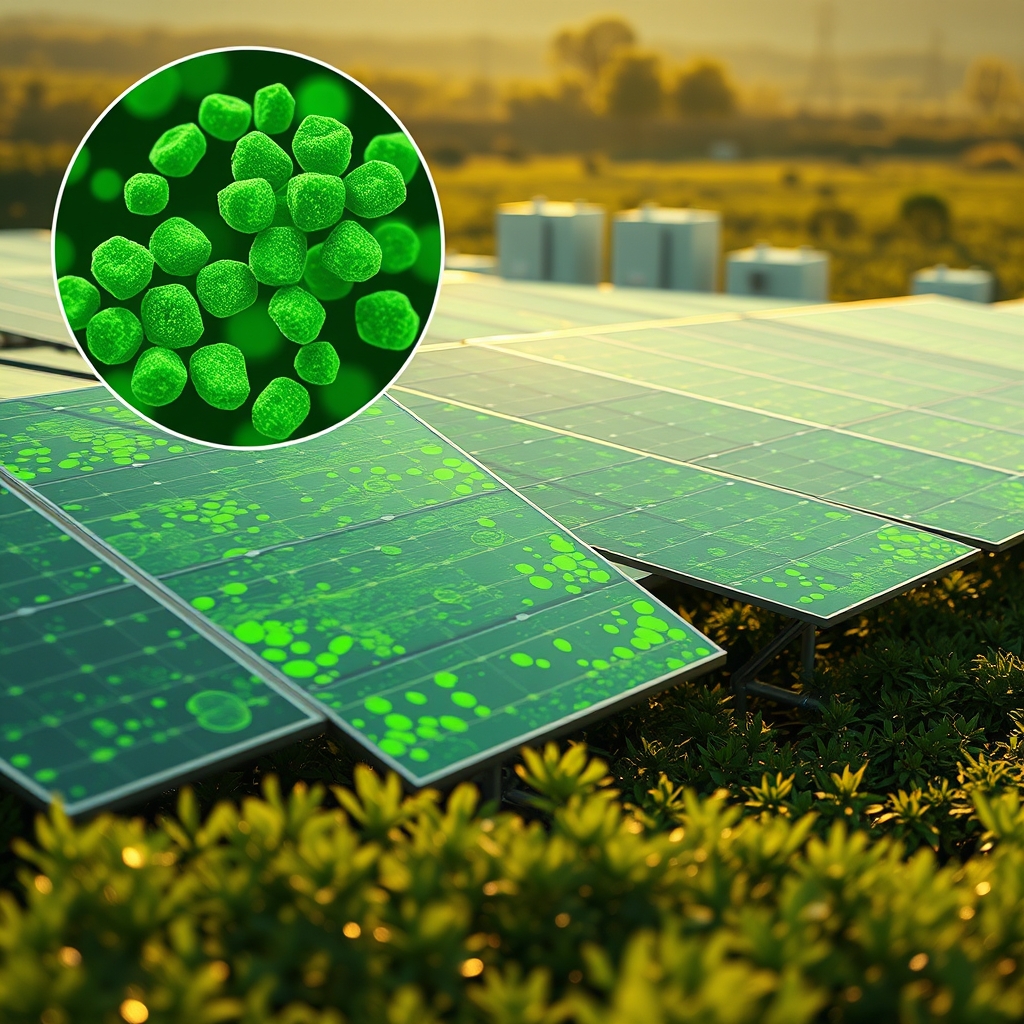
The golden hues of dawn stretch across the horizon, casting long shadows over fields of shimmering solar panels. These panels, once rigid and monolithic, now ripple with an almost organic fluidity, their surfaces alive with microscopic organisms that dance in the sunlight. This is not science fiction—it is the next frontier of renewable energy, where the ancient power of photosynthesis meets the precision of modern photovoltaics. The fusion of biotechnology and solar energy is not merely an incremental step forward; it is a paradigm shift, one that promises to redefine how we harness, store, and distribute clean power.
The Alchemy of Light: How Algae is Transforming Solar Energy
At the heart of this revolution lies a humble yet extraordinary organism: algae. For billions of years, algae have been the unsung heroes of Earth’s biosphere, converting sunlight into energy with unparalleled efficiency. Today, scientists are unlocking their potential to enhance solar technology in ways that were once unimaginable. Unlike traditional silicon-based solar panels, which rely solely on inorganic materials, biohybrid solar systems integrate living algae with photovoltaic cells, creating a symbiotic relationship that boosts energy capture and storage.
One of the most promising advancements in this field is the development of bio-photovoltaic (BPV) systems. These systems harness the photosynthetic processes of algae to generate electrical current directly from sunlight. When algae undergo photosynthesis, they produce electrons as a byproduct. By embedding algae within a conductive matrix, researchers have successfully captured these electrons, creating a living solar cell that can generate electricity even in low-light conditions. The implications are profound: BPV systems could operate efficiently in regions with limited sunlight, such as urban environments or cloudy climates, where traditional solar panels struggle to perform.
The Science Behind the Symbiosis
The magic of biohybrid solar systems lies in their ability to mimic nature’s elegance. Algae, when integrated with nanomaterials like graphene or carbon nanotubes, can transfer electrons more efficiently than conventional solar cells. This process, known as extracellular electron transfer, allows the algae to act as a natural battery, storing energy during peak sunlight hours and releasing it when demand is high. Moreover, algae are self-replicating, meaning that biohybrid systems could potentially regenerate their own energy-capturing components, reducing the need for costly and resource-intensive manufacturing processes.
Researchers at institutions like the University of Cambridge and the University of California, Berkeley, have made significant strides in optimizing these systems. Their work has demonstrated that biohybrid solar cells can achieve energy conversion efficiencies comparable to, and in some cases exceeding, those of traditional silicon panels. The key advantage, however, lies in their sustainability. Algae require only sunlight, water, and carbon dioxide to thrive, making them a carbon-negative energy source. As they grow, they absorb CO₂ from the atmosphere, effectively turning solar farms into carbon sinks.
Beyond Efficiency: The Environmental and Economic Impact
The environmental benefits of biohybrid solar systems extend far beyond their ability to generate clean energy. Traditional solar panel manufacturing is an energy-intensive process, often relying on rare earth metals like cadmium and tellurium, which are mined in environmentally destructive ways. In contrast, algae-based systems require minimal raw materials, and their production generates negligible waste. Additionally, at the end of their lifecycle, biohybrid panels can be composted or repurposed, eliminating the electronic waste that plagues conventional solar technology.
From an economic standpoint, the scalability of biohybrid systems could democratize access to renewable energy. Algae can be cultivated in a variety of environments, from large-scale open ponds to vertical bioreactors in urban settings. This versatility reduces the need for vast tracts of land, making solar energy viable in densely populated areas where space is at a premium. Furthermore, the low cost of algae cultivation could drive down the overall price of solar energy, making it more accessible to developing nations and underserved communities.
The Role of Smart Grids in a Bio-Solar Future
No discussion of next-generation solar technology would be complete without addressing the critical role of smart grids. As biohybrid solar systems generate energy, they also produce vast amounts of data—information about light intensity, electron flow, and environmental conditions. Smart grids, equipped with artificial intelligence and machine learning algorithms, can analyze this data in real time, optimizing energy distribution and storage. For instance, during periods of low sunlight, a smart grid could prioritize energy from algae-based systems, which continue to generate power even in dim conditions, while drawing from traditional solar panels when the sun is at its peak.
This integration of biotechnology and smart grid technology could also pave the way for decentralized energy networks. Imagine a future where every building, from skyscrapers to suburban homes, is equipped with biohybrid solar panels that not only power the structure but also feed excess energy into a local microgrid. These microgrids, interconnected through smart technology, could create a resilient energy ecosystem, reducing reliance on centralized power plants and minimizing the risk of blackouts.
The Challenges Ahead: Navigating the Path to Commercialization
Despite their immense potential, biohybrid solar systems are not without challenges. One of the primary hurdles is scalability. While laboratory experiments have yielded promising results, translating these findings into large-scale, commercially viable systems remains a complex endeavor. Algae, for all their advantages, are sensitive to environmental conditions. Fluctuations in temperature, pH levels, and nutrient availability can impact their growth and efficiency, making it difficult to maintain consistent energy output.
Another challenge lies in the durability of biohybrid systems. Traditional solar panels are designed to last 25 to 30 years, with minimal degradation in performance. In contrast, algae-based systems require ongoing maintenance to ensure the health and productivity of the organisms. Researchers are exploring ways to encapsulate algae in protective materials that shield them from environmental stressors while allowing sunlight and nutrients to pass through. Advances in genetic engineering could also play a role, with scientists developing algae strains that are more resilient and efficient at energy conversion.
Regulatory and public perception hurdles also loom large. The idea of integrating living organisms into energy infrastructure may raise concerns among consumers and policymakers. Addressing these concerns will require transparent communication about the safety, reliability, and benefits of biohybrid systems. Pilot projects and real-world demonstrations will be crucial in building public trust and accelerating adoption.
The sun has always been the lifeblood of our planet, fueling the growth of every living thing from the smallest algae to the mightiest redwood. Now, as we stand on the precipice of a new energy era, we are learning to harness its power in ways that honor the intricate balance of nature. The fusion of biotechnology and solar energy is not just about creating cleaner power—it is about reimagining our relationship with the natural world. It is a testament to human ingenuity, a reminder that the solutions to our greatest challenges often lie in the quiet, unassuming corners of the Earth. As the first rays of sunlight touch the surface of a biohybrid solar panel, they ignite more than just electrons; they spark a future where energy is not just sustainable, but truly alive.