The Unseen Backbone: How Smart Grid Management and Long-Duration Storage Are Redefining Energy Resilience
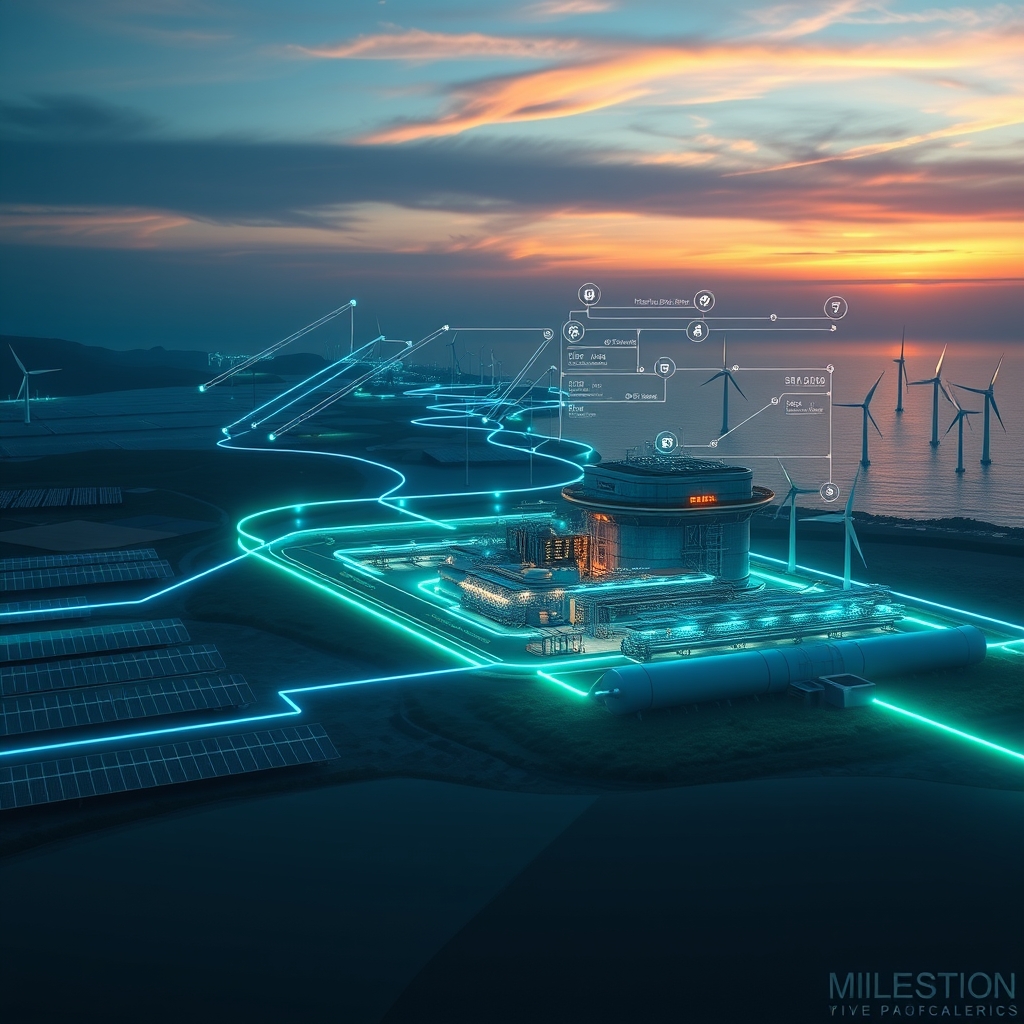
The hum of electricity coursing through power lines is often taken for granted, a silent force that powers our homes, industries, and digital lives. Yet, beneath this seamless flow lies a complex, evolving ecosystem where innovation is not just desirable but essential. As the world pivots toward renewable energy, the challenges of intermittency, demand fluctuations, and grid stability have become more pronounced. The answer to these challenges is not a single technology but a symphony of solutions, with smart grid management and long-duration storage emerging as the unsung heroes of this energy transition.
The Grid’s Evolution: From Static to Sentient
Traditional power grids were designed for a one-way flow of electricity, from centralized power plants to consumers. This model, while effective for its time, is ill-equipped to handle the dynamic nature of renewable energy sources like solar photovoltaics and offshore wind energy. Enter smart grid management—a transformative approach that leverages digital technology, real-time data, and advanced analytics to create a responsive, adaptive energy network.
At the heart of this evolution is the integration of distributed energy resources (DERs), such as rooftop solar panels, small-scale wind turbines, and battery energy storage systems. These resources, scattered across the grid, generate power closer to where it’s consumed, reducing transmission losses and enhancing efficiency. However, their intermittent nature—solar panels don’t produce power at night, and wind turbines stand still on calm days—poses a significant challenge. Smart grid management addresses this by using AI-driven forecasting to predict energy generation and demand, dynamically balancing supply and consumption.
For instance, during periods of low renewable output, the grid can automatically draw from battery energy storage systems or even virtual power plants (VPPs), which aggregate the capacity of multiple DERs to function as a single, flexible resource. This not only stabilizes the grid but also reduces the need for fossil fuel-based peaker plants, which are typically fired up during periods of high demand.
The Storage Conundrum: Beyond Lithium-Ion
While lithium-ion batteries have dominated the energy storage landscape, their limitations—cost, degradation over time, and limited duration—have spurred the search for alternatives. Long-duration storage technologies are stepping into the spotlight, offering the promise of storing energy for hours, days, or even weeks. These solutions are critical for bridging the gap between renewable energy generation and demand, particularly in regions with seasonal variations in sunlight or wind.
One of the most promising contenders is green hydrogen, produced by using excess renewable energy to split water into hydrogen and oxygen through electrolysis. The hydrogen can then be stored and later converted back into electricity using fuel cells or burned in turbines. Unlike batteries, hydrogen can be stored in large quantities for extended periods, making it ideal for long-duration storage. Countries like Germany and Australia are already investing heavily in hydrogen hubs, envisioning a future where green hydrogen powers industries, transportation, and even aviation through sustainable aviation fuel (SAF).
Another exciting development is the rise of sodium-ion batteries, which offer a cheaper and more abundant alternative to lithium. While they currently lag behind lithium-ion in energy density, advancements in materials science are rapidly closing this gap. Similarly, solid-state batteries—which replace the liquid electrolyte in traditional batteries with a solid material—promise higher energy density, faster charging, and improved safety. These innovations could revolutionize not just grid storage but also electric vehicles and portable electronics.
Microgrids: Islands of Autonomy in a Connected World
As the grid becomes smarter, so too do the smaller networks that operate within it. Microgrids—localized energy systems that can operate independently or in conjunction with the main grid—are gaining traction, particularly in remote or disaster-prone areas. These systems often combine renewable energy sources, battery storage, and advanced control systems to provide reliable power even when the main grid fails.
For example, a microgrid in a rural community might integrate solar photovoltaics, a small wind turbine, and a battery energy storage system to meet its energy needs. During a grid outage, the microgrid can island itself, continuing to supply power to critical facilities like hospitals, schools, and emergency services. This autonomy not only enhances resilience but also empowers communities to take control of their energy future.
Microgrids are also playing a key role in decentralized energy markets, where energy is bought and sold locally, often through peer-to-peer trading platforms. These markets incentivize the adoption of DERs by allowing consumers to monetize their excess energy, creating a more equitable and sustainable energy ecosystem.
The Role of AI: Orchestrating the Energy Symphony
Artificial intelligence is the invisible conductor of this energy symphony, optimizing every aspect of the grid’s operation. From predicting weather patterns to fine-tuning the performance of floating solar arrays or tidal power systems, AI is enabling a level of precision and efficiency that was once unimaginable. For instance, machine learning algorithms can analyze vast amounts of data to identify patterns in energy consumption, allowing utilities to anticipate demand spikes and adjust supply accordingly.
AI is also transforming energy efficiency in buildings and industries. Smart thermostats, for example, learn occupants’ preferences and adjust heating and cooling systems to minimize energy waste. In industrial settings, AI-driven systems can optimize the operation of machinery, reducing energy consumption without compromising productivity. These applications not only lower costs but also reduce the carbon footprint of energy-intensive sectors.
Innovations on the Horizon: Geothermal, Carbon Capture, and Beyond
While solar and wind dominate the renewable energy conversation, other technologies are quietly making strides. Geothermal innovation, for instance, is unlocking the potential of Earth’s heat as a reliable, baseload power source. Enhanced geothermal systems (EGS) use advanced drilling techniques to tap into heat reservoirs deep underground, even in regions without natural geothermal activity. This could make geothermal energy a viable option for a much wider range of locations, providing a stable complement to intermittent renewables.
Meanwhile, carbon capture technology is evolving from a niche solution to a critical tool in the fight against climate change. By capturing CO₂ emissions from power plants and industrial facilities, these technologies can prevent greenhouse gases from entering the atmosphere. The captured CO₂ can then be stored underground or used to produce synthetic fuels, creating a closed-loop system that turns waste into a resource.
The energy landscape of the future will not be defined by a single technology but by the seamless integration of many. Smart grid management and long-duration storage are the linchpins of this transition, enabling a grid that is not only cleaner but also more resilient, flexible, and intelligent. As these technologies mature, they will unlock new possibilities—from decentralized energy markets to AI-driven efficiency—ushering in an era where energy is not just consumed but actively managed, optimized, and shared. The journey is just beginning, and the stakes could not be higher, but the promise of a sustainable energy future has never been more within reach.