
The Solar Canopy: How Floating Photovoltaics Are Illuminating the Path to a Water-Energy Nexus
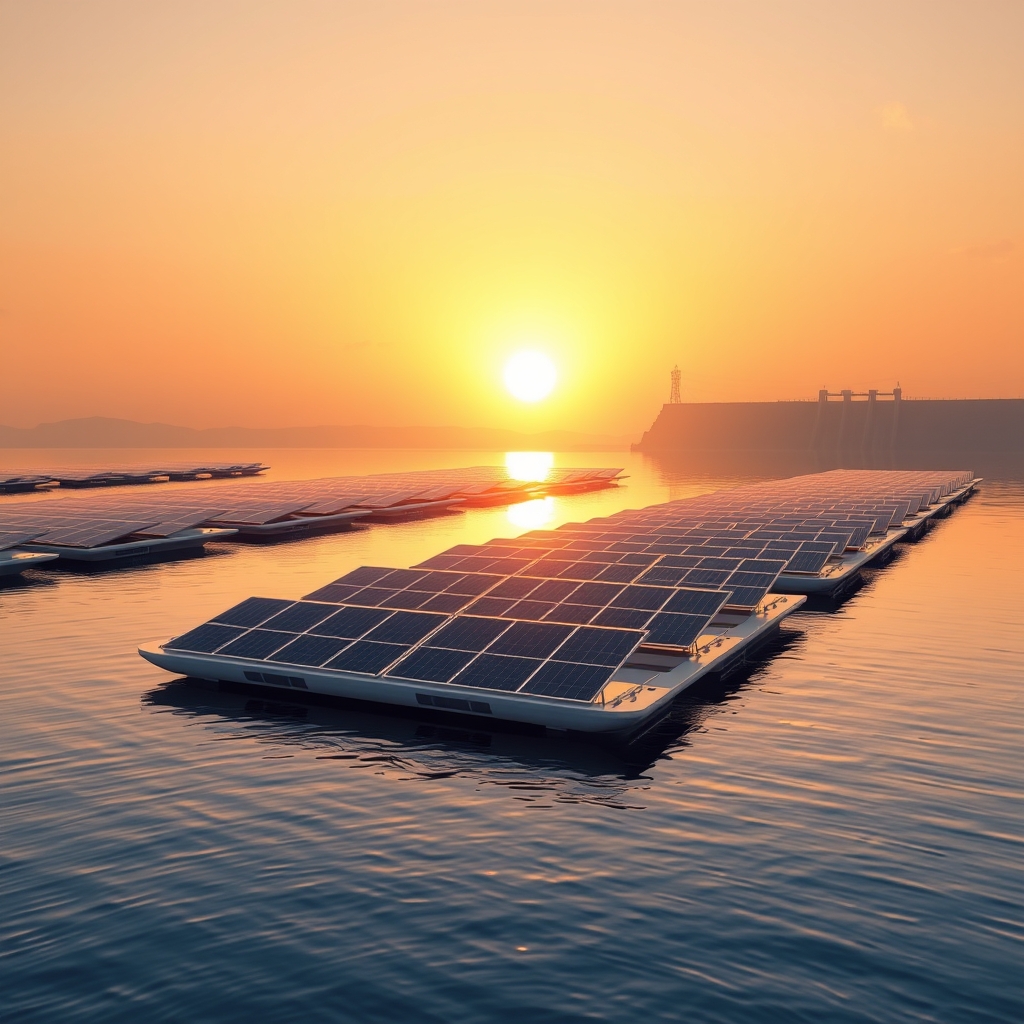
The gentle ripple of water under a golden sun has long been a symbol of serenity, but beneath its tranquil surface lies an untapped frontier in renewable energy. As the world grapples with the dual challenges of climate change and energy security, innovators are turning to the vast expanses of lakes, reservoirs, and even offshore waters to unlock a new dimension of solar power. Floating photovoltaics, or “floatovoltaics,” are not just an engineering marvel—they are a testament to humanity’s ability to harmonize technology with nature, transforming idle water bodies into vibrant hubs of clean energy production.
The Rise of the Solar Canopy
Floating solar farms are exactly what they sound like: arrays of solar panels mounted on buoyant structures that float atop bodies of water. While the concept may seem futuristic, the first commercial installation emerged in 2007 in Japan, a country where land scarcity and a commitment to renewable energy made water-based solar an elegant solution. Since then, the technology has spread across the globe, from the sun-drenched reservoirs of California to the man-made lakes of the Netherlands, where engineers have turned flood control basins into power-generating assets.
The advantages of floatovoltaics are as layered as the technology itself. For starters, water-based installations bypass one of the most significant limitations of traditional solar farms: land use. In densely populated regions or areas with competing agricultural demands, finding large tracts of land for solar arrays can be a contentious and costly endeavor. By contrast, floating solar farms utilize existing water surfaces, leaving terrestrial ecosystems undisturbed and reducing the need for deforestation or land conversion.
Cooling Efficiency and Energy Yield
Beyond land conservation, floatovoltaics offer a performance edge that land-based systems struggle to match. Solar panels are notoriously sensitive to temperature; as they heat up, their efficiency declines. Water, however, acts as a natural coolant, absorbing excess heat and maintaining the panels at optimal operating temperatures. Studies have shown that floating solar arrays can generate up to 10% more electricity than their land-based counterparts, thanks to this passive cooling effect. In regions with high ambient temperatures, this advantage becomes even more pronounced, turning scorching summers into peak production seasons.
The synergy between water and solar doesn’t end there. By shading the water’s surface, floating panels reduce evaporation—a critical benefit in drought-prone areas where every drop of water counts. In arid regions like the southwestern United States or parts of Australia, this dual-purpose functionality can translate into significant water savings, further enhancing the sustainability of the technology. Additionally, the reduced sunlight penetration limits the growth of algae, improving water quality and reducing maintenance costs for reservoir operators.
Engineering the Future on Water
The technical challenges of deploying solar panels on water are not trivial, but they have spurred a wave of innovation in materials science and engineering. Modern floatovoltaic systems are designed to withstand harsh environmental conditions, from high winds and waves to corrosive saltwater environments. The floating platforms, often made from high-density polyethylene (HDPE) or other durable polymers, are engineered to be UV-resistant, buoyant, and capable of supporting the weight of the panels while remaining flexible enough to adapt to water level fluctuations.
Anchoring systems are another critical component, ensuring that the arrays remain stable even in stormy conditions. In offshore installations, where waves and currents pose greater challenges, engineers are experimenting with dynamic anchoring solutions that allow the platforms to move with the water, reducing stress on the structures. Some cutting-edge designs even incorporate artificial intelligence to optimize panel angles in real-time, maximizing energy capture as the sun moves across the sky.
The Water-Energy Nexus in Action
One of the most compelling applications of floatovoltaics lies in their ability to integrate seamlessly with existing water infrastructure. Hydroelectric dams, for example, are prime candidates for floating solar installations. The proximity to transmission lines and the existing grid connection reduces the logistical hurdles of deploying new renewable energy projects. In countries like Portugal and Brazil, hybrid hydro-solar systems are already demonstrating how these technologies can complement each other, with solar power generating electricity during the day and hydropower taking over when the sun sets or during periods of high demand.
Beyond dams, floatovoltaics are finding a niche in agricultural settings, particularly in aquaculture. In countries like China and India, where fish farming is a major industry, floating solar arrays provide shade for aquatic life while generating clean energy for on-site operations. This symbiotic relationship not only boosts energy efficiency but also enhances the productivity of aquaculture systems, creating a closed-loop ecosystem where energy and food production coexist.
Overcoming Barriers and Scaling Up
Despite their promise, floatovoltaics are not without challenges. The upfront costs of floating solar installations can be higher than land-based systems, primarily due to the need for specialized floating structures and anchoring systems. However, as the technology matures and economies of scale kick in, these costs are expected to decline. In fact, some industry analysts predict that floating solar could become cost-competitive with traditional solar within the next decade, particularly in regions where land is scarce or expensive.
Environmental concerns also warrant careful consideration. While floatovoltaics reduce land use, their impact on aquatic ecosystems must be thoroughly assessed. Researchers are studying how these installations affect water temperature, oxygen levels, and biodiversity, with early findings suggesting that well-designed systems can have minimal negative effects. In some cases, the shade provided by the panels can even benefit certain aquatic species by creating cooler microhabitats.
A Vision for the Future
The potential of floatovoltaics extends far beyond the installations we see today. As the technology evolves, we may witness the emergence of offshore floating solar farms, tapping into the vast energy potential of the open ocean. These systems could be paired with wind turbines and wave energy converters to create hybrid renewable energy platforms, maximizing energy output while minimizing the environmental footprint. In coastal cities, floating solar arrays could provide a dual benefit: generating clean energy while acting as breakwaters to protect shorelines from erosion and storm surges.
Imagine a world where every reservoir, every idle lake, and every coastal waterway becomes a source of clean, renewable power. A world where energy production and water conservation go hand in hand, where technology and nature coexist in perfect harmony. Floating photovoltaics are more than just an innovative solution—they are a glimpse into a future where humanity’s energy needs are met without compromising the health of our planet. As the sun sets over these shimmering solar canopies, it casts a reflection not just of light, but of a brighter, more sustainable tomorrow.


