The Synergistic Dance: How Floating Solar Arrays and Geothermal Innovation Are Crafting the Next Energy Paradigm
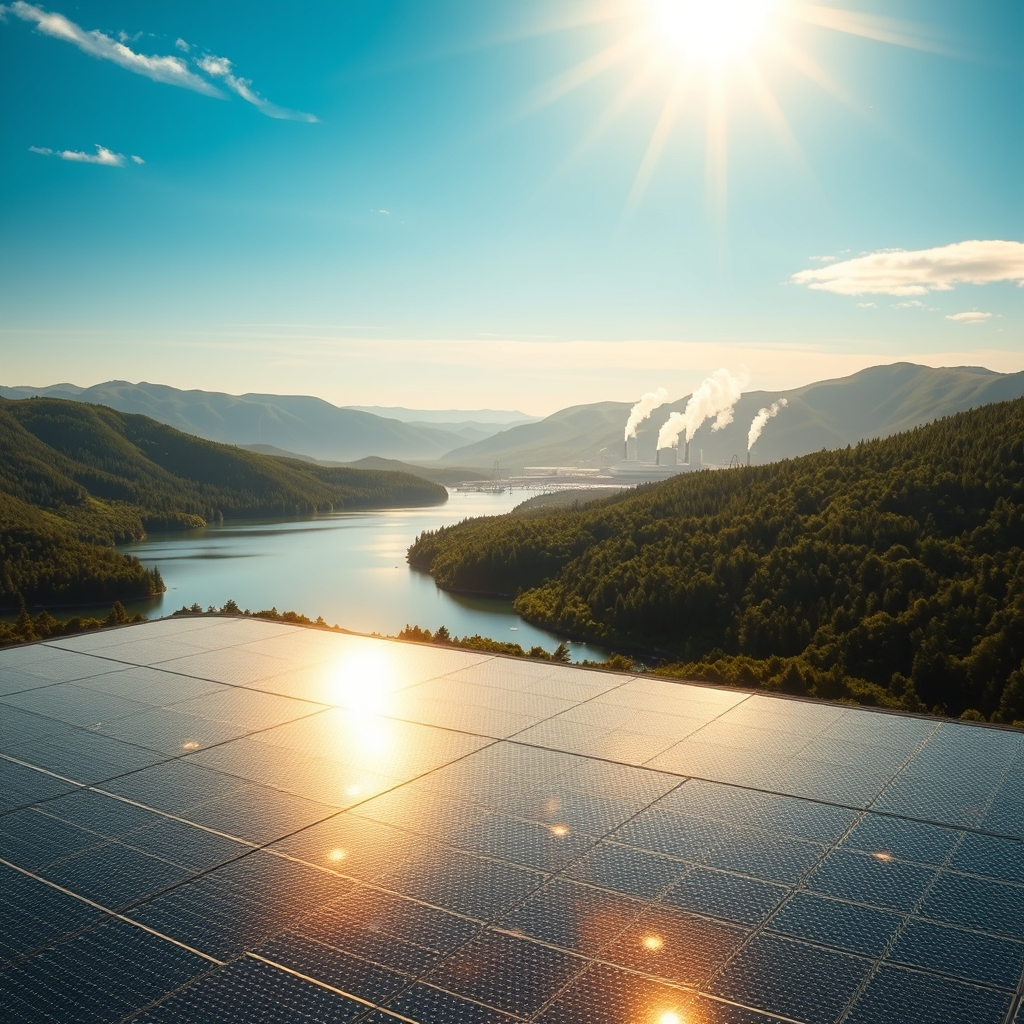
The sun glints off the surface of a vast, shimmering lake, not just as a reflection of nature’s beauty, but as a testament to human ingenuity. Here, where water meets sky, a new frontier in renewable energy is taking shape—one that marries the boundless potential of solar photovoltaics with the untapped reservoirs of geothermal innovation. This is not merely an evolution of energy technology; it is a revolution, a synergistic dance between two of the most promising forces in the quest for a sustainable future.
The Floating Solar Revolution
Floating solar arrays, or floatovoltaics, represent a leap forward in solar energy deployment. Unlike traditional ground-mounted systems, these installations rest atop bodies of water—reservoirs, lakes, and even the calm surfaces of the ocean. The advantages are manifold. For one, they conserve precious land resources, a critical consideration in densely populated or agriculturally vital regions. The cooling effect of the water beneath the panels also enhances their efficiency, as solar cells perform better at lower temperatures. Studies suggest that floating solar arrays can generate up to 10% more electricity than their land-based counterparts under the same conditions.
But the benefits extend beyond efficiency. By covering water surfaces, these arrays reduce evaporation, a boon in drought-prone areas where every drop of water is precious. They also inhibit the growth of algae, improving water quality and reducing maintenance costs for water treatment facilities. In countries like Singapore, where land is scarce, floating solar farms have become a cornerstone of the nation’s renewable energy strategy, proving that even the most constrained environments can harness the power of the sun.
Overcoming Challenges
Yet, the path to widespread adoption is not without obstacles. The harsh marine environment poses unique challenges, from corrosion caused by saltwater to the mechanical stresses of waves and wind. Engineers are responding with innovative materials and designs, such as modular, flexible platforms that can withstand the rigors of open water. Additionally, the environmental impact of floating solar arrays must be carefully managed to avoid disrupting aquatic ecosystems. Early studies, however, suggest that when properly sited, these installations can actually benefit local wildlife by providing new habitats for fish and birds.
The Geothermal Renaissance
Beneath the earth’s surface lies another vast, untapped reservoir of energy—geothermal. Unlike solar or wind, geothermal energy is not intermittent; it is a constant, reliable source of power, capable of providing baseload electricity 24 hours a day, 365 days a year. Traditionally, geothermal plants have been limited to regions with accessible hot springs or volcanic activity, but advancements in technology are expanding its reach. Enhanced geothermal systems (EGS) use hydraulic fracturing to create artificial reservoirs in hot, dry rock formations, unlocking geothermal potential in areas previously deemed unsuitable.
Innovations in drilling technology are also driving down costs and increasing efficiency. Companies are experimenting with supercritical geothermal systems, which tap into water at temperatures and pressures so high that it exists in a state between liquid and gas. This supercritical fluid can carry up to ten times more energy than conventional geothermal resources, dramatically boosting output. Iceland, a pioneer in geothermal energy, is already exploring this frontier, with the potential to revolutionize the global energy landscape.
A Symbiotic Future
The true magic happens when floating solar and geothermal innovation converge. Imagine a hybrid energy system where floating solar arrays generate power during the day, while geothermal plants provide a steady supply at night. This complementary relationship could eliminate the need for fossil fuel backup, creating a fully renewable energy grid. In regions with both water bodies and geothermal resources—such as parts of the United States, Indonesia, and East Africa—this synergy could be a game-changer, offering a blueprint for energy independence and sustainability.
Moreover, the integration of these technologies with advanced battery storage systems could further enhance grid stability. Sodium-ion batteries, for instance, are emerging as a cost-effective alternative to lithium-ion, with the potential to store excess solar energy during the day and release it when demand peaks. When combined with geothermal’s baseload capacity, such systems could provide a resilient, decentralized energy network, reducing reliance on centralized power plants and long-distance transmission lines.
The Role of Policy and Investment
For this energy paradigm to take hold, supportive policies and investments are essential. Governments must incentivize research and development, offering grants and tax breaks to companies pioneering these technologies. Regulatory frameworks should be streamlined to encourage the deployment of floating solar and geothermal projects, particularly in developing nations where energy access remains a challenge. International collaboration will also be key, as the sharing of knowledge and resources can accelerate progress and ensure that the benefits of these innovations are felt worldwide.
Private sector investment is equally critical. Venture capital and corporate funding can drive innovation, while public-private partnerships can help scale up projects from pilot phases to full commercial deployment. The success of floating solar in countries like Japan and the Netherlands demonstrates the power of such collaborations, proving that with the right support, these technologies can move from concept to reality in a matter of years.
The journey toward a sustainable energy future is not a solitary one. It is a collective endeavor, a harmonious blend of technology, policy, and vision. Floating solar arrays and geothermal innovation are not just individual solutions; they are pieces of a larger puzzle, a puzzle that, when completed, will reveal a world powered by clean, abundant, and reliable energy. As the sun sets over the water, casting long shadows across the floating panels, and the earth hums with the quiet power of geothermal heat, we are reminded that the future is not just something we imagine—it is something we build, one innovation at a time.