The Future of Sustainable Tech Manufacturing: Innovations Shaping a Greener Tomorrow
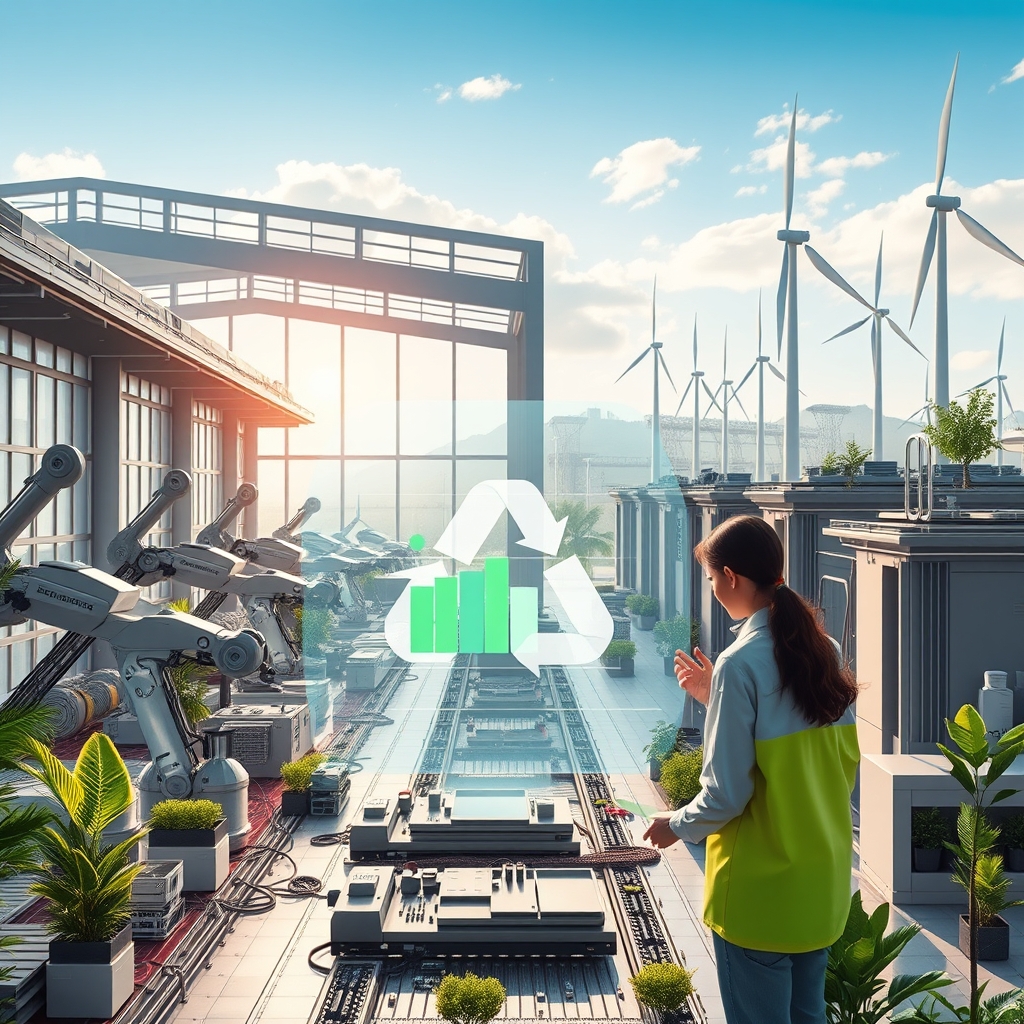
The intersection of technology and sustainability is no longer a niche concern but a global imperative. As the tech industry grapples with its environmental footprint, a wave of innovations is redefining how electronics are designed, produced, and disposed of. From circular design processes to renewable energy integration, the shift toward sustainable tech manufacturing is not just about reducing harm—it’s about creating systems that regenerate and thrive. This transformation is driven by a combination of ethical material sourcing, closed-loop manufacturing, and a commitment to minimizing waste at every stage of a product’s life cycle.
The Rise of Circular Design Processes
Traditional manufacturing follows a linear model: extract, produce, use, and discard. This approach has led to staggering levels of e-waste, with millions of tons of discarded electronics ending up in landfills each year. Circular design processes, however, challenge this paradigm by prioritizing longevity, reparability, and recyclability. Companies are now designing products with disassembly in mind, using modular components that can be easily upgraded or replaced. This not only extends the lifespan of devices but also reduces the demand for raw materials, cutting down on the environmental impact of mining and extraction.
For example, some smartphone manufacturers are adopting standardized screws and snap-fit designs to make repairs more accessible. Others are exploring biodegradable or plant-based materials for casings, further reducing the reliance on plastics and metals. These innovations are not just environmentally beneficial—they also resonate with consumers who are increasingly prioritizing sustainability in their purchasing decisions.
Green Electronics Production: Beyond the Factory Floor
Sustainable tech manufacturing isn’t limited to the design phase; it extends to how products are made. Green electronics production focuses on reducing energy consumption, eliminating toxic materials, and minimizing waste during fabrication. Factories are transitioning to renewable energy sources like solar and wind power, while advanced automation and AI-driven optimization are helping to streamline production lines, reducing both energy use and material waste.
One of the most promising developments in this space is the adoption of low-carbon tech prototyping. Traditional prototyping can be resource-intensive, often involving multiple iterations of physical models. However, digital twins and virtual simulations are allowing engineers to test and refine designs without the need for physical prototypes, significantly cutting down on material waste and energy consumption. This shift is particularly impactful in industries like semiconductor manufacturing, where the production process is notoriously energy-intensive.
Ethical Material Sourcing and Transparent Supply Chains
The materials used in tech manufacturing often come with a hidden environmental and social cost. Cobalt, lithium, and rare earth metals—critical components in batteries and electronics—are frequently mined in ways that harm ecosystems and exploit workers. Ethical material sourcing seeks to address these issues by prioritizing suppliers who adhere to fair labor practices and environmentally responsible extraction methods. Transparency is key here, with companies increasingly adopting blockchain and other traceability technologies to provide consumers with verifiable information about the origins of their products.
In addition to ethical sourcing, there’s a growing interest in bio-based tech materials. Researchers are exploring alternatives to traditional plastics and metals, such as mycelium-based composites, algae-derived polymers, and even lab-grown materials that mimic the properties of rare metals. These innovations not only reduce the environmental impact of mining but also offer the potential for biodegradable or compostable electronics, further closing the loop in the manufacturing process.
Closed-Loop Manufacturing: Turning Waste into Resources
Closed-loop manufacturing takes the principles of circular design a step further by ensuring that materials are continuously reused, rather than discarded. This approach treats waste as a valuable resource, with companies implementing systems to recover, refurbish, and recycle components at the end of their life cycle. For instance, some electronics manufacturers are partnering with recycling firms to recover precious metals from old devices, which can then be reused in new products. Others are exploring chemical recycling techniques that break down plastics into their base components, allowing them to be reformed into new materials without degradation.
Energy-optimized fabrication is another critical aspect of closed-loop systems. By integrating renewable energy into the manufacturing process, companies can reduce their carbon footprint while also lowering operational costs. For example, some factories are using excess heat from production processes to generate electricity, creating a self-sustaining energy loop. These innovations not only benefit the environment but also enhance the resilience of supply chains, making them less vulnerable to disruptions in energy markets.
Life Cycle Assessment: Measuring Impact from Cradle to Grave
To truly understand the environmental impact of a product, it’s essential to consider its entire life cycle—from raw material extraction to disposal. Life cycle assessment (LCA) is a methodology that quantifies the environmental footprint of a product at every stage, helping companies identify areas for improvement. By analyzing factors like energy use, greenhouse gas emissions, and water consumption, LCA provides a holistic view of a product’s sustainability, enabling more informed decision-making.
For tech manufacturers, LCA can reveal surprising insights. For example, a product that uses recycled materials might have a lower environmental impact during production but could be less energy-efficient during use, leading to higher emissions over its lifetime. Conversely, a device with a longer lifespan might offset its initial environmental cost by reducing the need for replacements. These assessments are driving innovation in areas like minimalist tech design, where the focus is on creating products that are not only durable but also energy-efficient and easy to recycle.
Conscious Innovation Workflows: Rethinking How We Create
The shift toward sustainable tech manufacturing isn’t just about adopting new technologies—it’s about rethinking the entire innovation process. Conscious innovation workflows prioritize sustainability from the earliest stages of product development, integrating environmental considerations into every decision. This might involve cross-functional teams that include sustainability experts alongside engineers and designers, or the use of tools like carbon footprint calculators to guide decision-making.
Companies are also embracing agile methodologies to iterate quickly and reduce waste. By testing small-scale prototypes and gathering feedback early, teams can identify and address sustainability challenges before they become entrenched in the design. This approach not only accelerates innovation but also ensures that sustainability is baked into the product from the ground up, rather than being an afterthought.
The journey toward sustainable tech manufacturing is complex and multifaceted, but the progress made so far is encouraging. As more companies embrace circular design, ethical sourcing, and closed-loop systems, the tech industry is moving closer to a future where innovation and sustainability go hand in hand. The choices made today will shape the environmental legacy of technology for generations to come, and the time to act is now. With every small step—whether it’s adopting renewable energy, designing for disassembly, or sourcing materials responsibly—the industry is proving that a greener future is not just possible, but inevitable.