The Circular Pulse: How Sustainable Component Innovation is Redefining Green Electronics Production
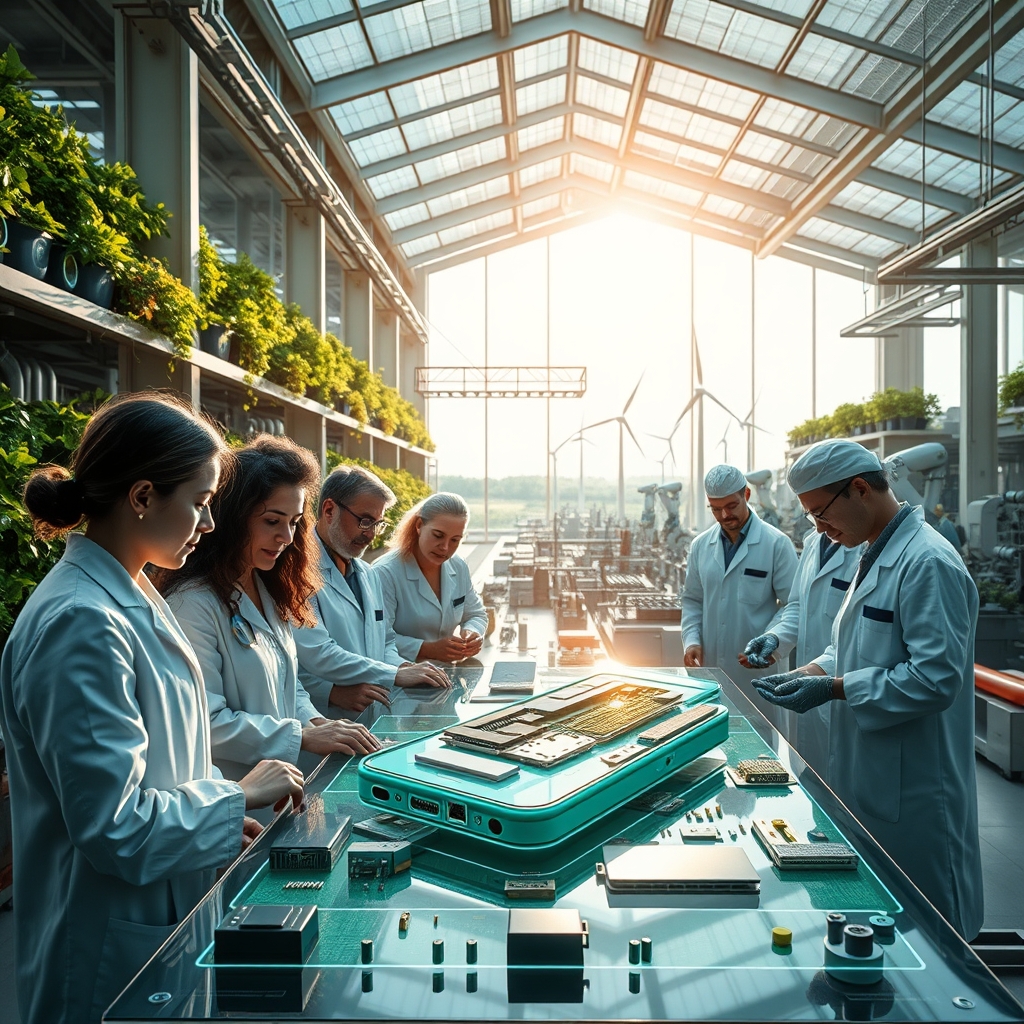
The hum of a modern electronics factory is no longer just the sound of machinery—it’s the rhythm of a new era. An era where every circuit board, every microchip, and every wire is part of a larger symphony of sustainability. The shift toward green electronics production isn’t just a trend; it’s a fundamental reimagining of how technology is conceived, built, and eventually returned to the earth. At the heart of this transformation lies sustainable component innovation, a discipline that blends cutting-edge engineering with ecological mindfulness to create devices that don’t just perform, but also persist in harmony with the planet.
The Birth of a New Material Consciousness
For decades, the tech industry operated under a linear model: extract, manufacture, consume, discard. But as the environmental toll of this approach became impossible to ignore, a quiet revolution began. Engineers and designers started asking a radical question: What if every component could be reborn? The answer lies in bio-based tech materials, a category of substances derived from renewable sources like algae, mushroom mycelium, and even agricultural waste. These materials aren’t just alternatives—they’re upgrades. They offer comparable (and sometimes superior) performance to traditional plastics and metals while drastically reducing carbon footprints. Imagine a smartphone casing made from flax fibers or a circuit board substrate grown from fungal networks. These aren’t futuristic fantasies; they’re the building blocks of today’s green electronics.
The Art of Closed-Loop Thinking
Sustainable component innovation doesn’t stop at material selection. It extends into the very architecture of production through closed-loop manufacturing. This approach treats waste not as an endpoint but as a resource, designing products with their eventual disassembly in mind. Take, for example, the modular smartphone. By creating devices where individual components—batteries, screens, processors—can be easily replaced or upgraded, manufacturers extend the lifespan of the product while reducing e-waste. But the true genius of closed-loop systems lies in their ability to turn old into new. Companies are now developing processes to extract rare earth metals from discarded electronics, refining them back into high-purity materials for reuse. This isn’t just recycling; it’s alchemy for the digital age.
The Energy Equation: Fabricating with the Future in Mind
Even the most sustainable materials lose their luster if the energy powering their production is dirty. That’s why energy-optimized fabrication has become a cornerstone of green electronics. Factories are transforming into living laboratories of efficiency, where every kilowatt-hour is scrutinized. Renewable energy integration is no longer an afterthought but a foundational element. Solar arrays stretch across rooftops, wind turbines hum in the distance, and geothermal systems regulate temperatures without a whisper of fossil fuels. But the innovation doesn’t stop at energy sourcing. Advanced AI systems now monitor production lines in real-time, adjusting power usage to match demand with surgical precision. The result? Factories that don’t just consume less but produce smarter.
Designing for Disassembly: The Minimalist Tech Revolution
In the world of sustainable electronics, less is often more. Minimalist tech design strips away the superfluous, focusing on functionality without excess. This philosophy manifests in products that are easier to repair, upgrade, and eventually recycle. Consider the laptop designed with snap-fit components instead of glue, or the tablet with a single type of screw to simplify disassembly. These aren’t just design choices—they’re statements of intent. They challenge the industry’s long-held obsession with sleek, sealed devices that are impossible to open without specialized tools. By embracing minimalism, manufacturers are not only reducing waste but also empowering consumers to take ownership of their devices’ lifecycles. A cracked screen no longer means a trip to the landfill; it means a five-minute repair with a screwdriver and a replacement part.
The Transparent Supply Chain: Trust as a Sustainable Resource
Sustainability isn’t just about what happens on the factory floor—it’s about the journey that brings materials there in the first place. Ethical material sourcing and transparent green supply chains are dismantling the opacity that has long shrouded electronics production. Consumers and regulators alike are demanding to know where components come from, how they’re extracted, and under what conditions. Blockchain technology is stepping into this gap, creating immutable records of every step in a product’s journey. From the cobalt mine in the Congo to the assembly line in Shenzhen, every touchpoint is documented, verified, and made accessible. This transparency isn’t just good ethics; it’s good business. Companies that embrace it are finding that trust is the ultimate sustainable resource—a currency that appreciates over time.
The Life Cycle Lens: Seeing the Full Picture
To truly innovate sustainably, engineers must adopt a life cycle assessment (LCA) mindset. This means evaluating a product’s environmental impact not just during its use but from cradle to grave—and beyond. LCAs reveal hidden costs, like the energy consumed during mining or the emissions from shipping components across the globe. Armed with this data, designers can make informed choices, opting for materials and processes that minimize harm at every stage. For instance, a component that seems eco-friendly in isolation might reveal a heavy carbon footprint when its entire supply chain is considered. LCAs force the industry to confront these inconvenient truths, pushing innovation toward solutions that are truly holistic.
The factories of tomorrow are already here, humming with the quiet confidence of a revolution in progress. They’re places where waste is a relic of the past, where energy flows from the sun and wind, and where every product is designed to live multiple lives. The shift toward sustainable component innovation isn’t just changing how electronics are made—it’s redefining what it means to create in the first place. In this new paradigm, technology doesn’t just serve humanity; it serves the planet too, weaving a future where progress and preservation go hand in hand. The tools are in place, the minds are engaged, and the will is unwavering. All that’s left is to build it.