The Solar-Charged Future: How Bioengineered Energy Storage is Electrifying the Next Generation of Renewable Power
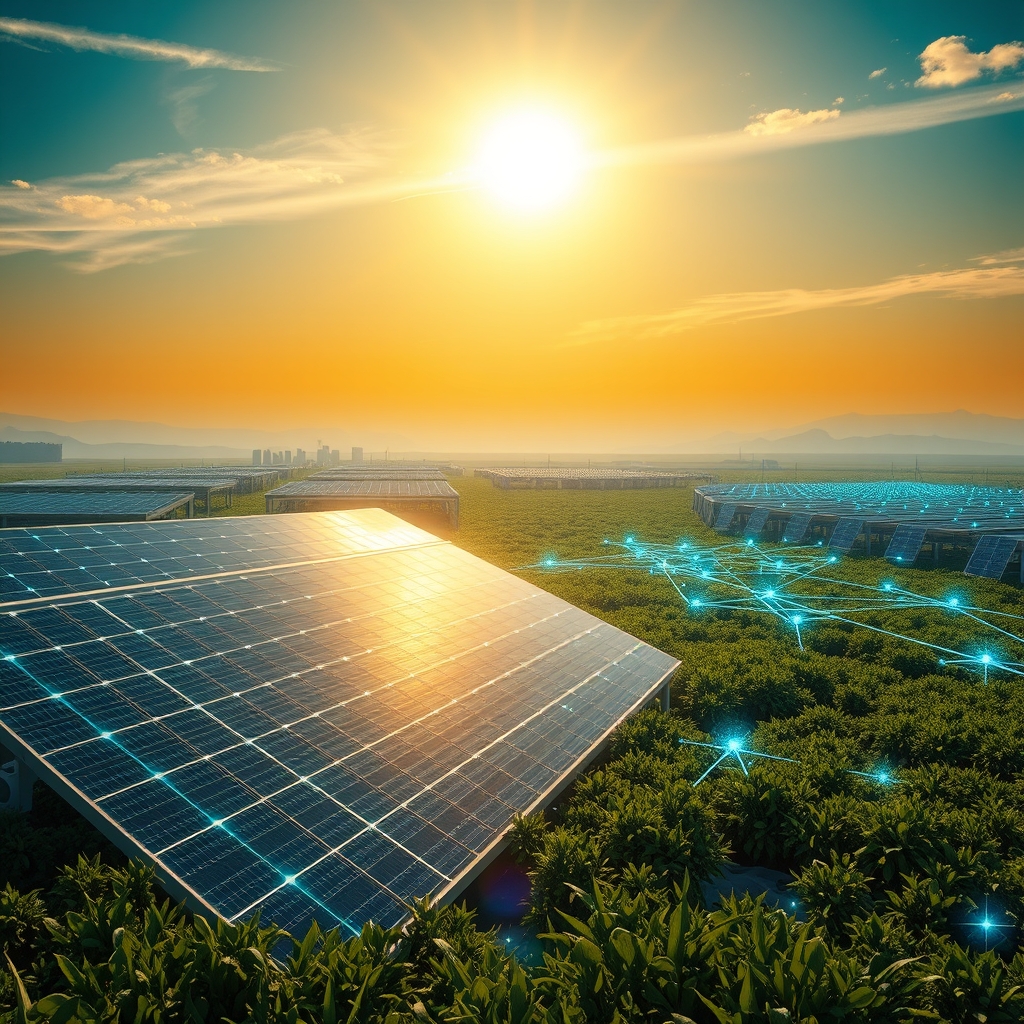
The sun has always been the lifeblood of our planet, a ceaseless wellspring of energy that powers ecosystems, fuels growth, and sustains life. Yet, for all its abundance, humanity has only recently begun to tap into its full potential—not just as a source of light and warmth, but as the cornerstone of a cleaner, more sustainable energy future. The challenge, however, has never been about capturing the sun’s energy. It’s about storing it. And in this critical arena, a quiet revolution is unfolding, one where biotechnology and solar innovation are converging to redefine what’s possible.
The Energy Storage Dilemma
For decades, the Achilles’ heel of solar power has been its intermittency. The sun doesn’t shine at night, and clouds can cast shadows even on the brightest days. Traditional battery technologies, like lithium-ion, have made strides in bridging this gap, but they come with their own set of limitations: high costs, environmental concerns over mining, and finite lifespans. The search for a better solution has led researchers down an unexpected path—one that looks to nature for inspiration.
Bioengineering Meets Energy Storage
At the intersection of biotechnology and renewable energy, scientists are exploring how biological systems can be harnessed to store and release energy more efficiently. One of the most promising avenues is the development of bioengineered energy storage systems, where living organisms or biologically derived materials play a central role. Imagine a world where energy isn’t just stored in inert batteries but in dynamic, self-sustaining systems that grow, adapt, and even repair themselves.
Take, for example, the humble algae. These microscopic powerhouses have been converting sunlight into energy for billions of years through photosynthesis. Now, researchers are bioengineering algae to produce not just biomass, but electricity. By integrating photosynthetic organisms with electrochemical systems, scientists are creating what could be the next generation of solar batteries—ones that don’t just store energy but actively generate it, even in low-light conditions. These biohybrid systems could revolutionize off-grid energy solutions, particularly in remote or underserved regions where traditional infrastructure is lacking.
The Rise of Smart, Self-Healing Grids
But energy storage is only one piece of the puzzle. The true potential of this biotech-solar fusion lies in its ability to integrate with smart grid technology, creating a dynamic, responsive energy network that can adapt to demand in real time. Smart grids, enhanced with AI and machine learning, are already transforming how we distribute and consume electricity. When combined with bioengineered storage solutions, they could unlock unprecedented levels of efficiency and resilience.
Self-Repairing Materials and Adaptive Systems
One of the most exciting developments in this space is the creation of self-healing materials for solar panels and energy storage systems. Inspired by biological processes like wound healing, these materials can automatically repair minor damages, extending the lifespan of solar infrastructure and reducing maintenance costs. For instance, researchers have developed polymers embedded with microcapsules of healing agents that rupture when cracks form, filling and sealing them before they can worsen. This innovation could make solar panels more durable and cost-effective, particularly in harsh environments where wear and tear are inevitable.
Beyond materials, bioengineered systems are also enabling smarter energy distribution. Microbial fuel cells, for example, can generate electricity from organic waste while simultaneously breaking down pollutants. When integrated into a smart grid, these systems can provide decentralized power, reducing strain on centralized energy networks and lowering carbon footprints. The result is a more flexible, sustainable energy ecosystem that can grow and evolve alongside our needs.
The Path Forward: Challenges and Opportunities
Of course, the road to a bioengineered energy future is not without its obstacles. Scaling up these technologies from the lab to real-world applications will require significant investment, regulatory support, and public acceptance. There are also ethical and environmental considerations to address, particularly when it comes to genetically modified organisms and their potential impact on ecosystems. Yet, the opportunities far outweigh the challenges. Bioengineered energy storage systems have the potential to make renewable energy more accessible, affordable, and reliable than ever before.
As we stand on the brink of this new era, it’s worth reflecting on how far we’ve come. Just a few decades ago, the idea of harnessing the sun’s energy on a global scale seemed like science fiction. Today, it’s a reality, and one that’s evolving faster than we could have imagined. The fusion of biotechnology and solar innovation isn’t just about creating better batteries or more efficient panels. It’s about reimagining our relationship with energy itself—moving from extraction and consumption to a more harmonious, regenerative model. The sun has always been our greatest ally in the fight against climate change. Now, with the help of bioengineering, we’re learning to harness its power in ways that are as dynamic and resilient as life itself.
The future of energy isn’t just about storing power; it’s about creating systems that breathe, adapt, and thrive. And in that future, the line between technology and nature blurs, giving rise to a world where clean energy isn’t just a goal—it’s a living, evolving reality.