The Dawn of Liquid Sunshine: How Green Hydrogen and Smart Grid Management Are Crafting the Energy Ecosystem of Tomorrow
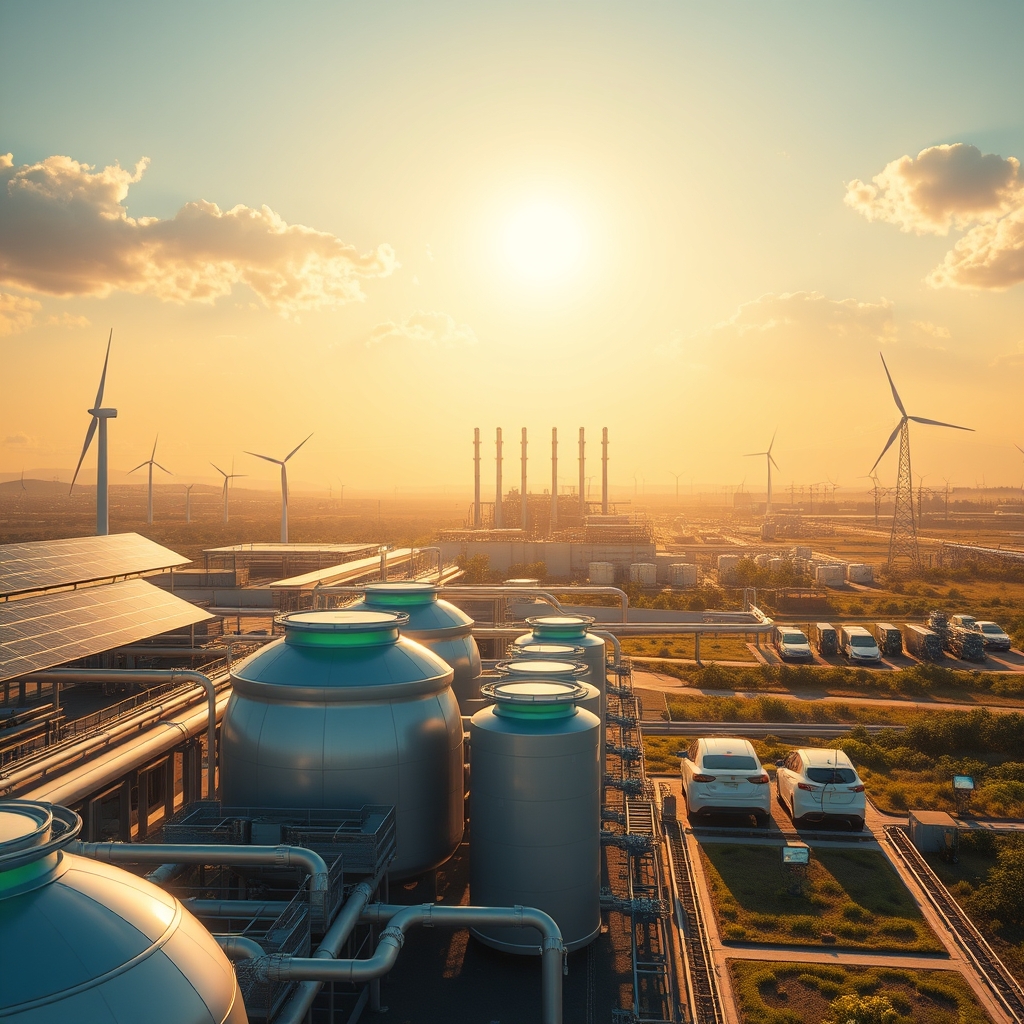
The horizon glows with the promise of a new energy paradigm, one where the boundaries between generation, storage, and consumption blur into a seamless, intelligent network. At the heart of this transformation lies a molecule so simple yet so revolutionary—green hydrogen. Born from the marriage of renewable electricity and water, this liquid sunshine is poised to redefine how we power industries, fuel transportation, and balance the grid. But its potential is only as strong as the infrastructure that supports it, and that’s where the silent orchestration of smart grid management steps in, weaving a tapestry of efficiency, resilience, and adaptability.
The Alchemy of Green Hydrogen
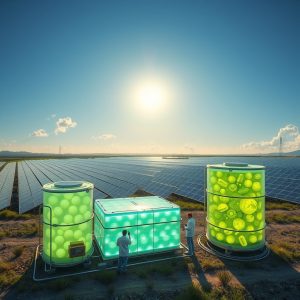
Imagine a world where excess solar and wind energy, instead of being curtailed or wasted, is transformed into a storable, transportable fuel. This is the alchemy of green hydrogen. Unlike its gray or blue counterparts, green hydrogen is produced through electrolysis powered entirely by renewable energy, emitting nothing but oxygen as a byproduct. The process is elegant in its simplicity: water is split into hydrogen and oxygen using electricity, and the hydrogen is captured, compressed, and stored for later use. What makes this so revolutionary is its versatility. Green hydrogen can be burned in turbines to generate electricity, used as a feedstock in industrial processes like steel and ammonia production, or even converted into synthetic fuels for aviation and shipping.
Yet, the path to scaling green hydrogen is not without challenges. Electrolysis is energy-intensive, and the infrastructure for storage, transportation, and distribution is still in its infancy. This is where the synergy with smart grid management becomes critical. By dynamically balancing supply and demand, smart grids can ensure that electrolysis occurs during periods of excess renewable generation, maximizing efficiency and minimizing costs. Advanced algorithms can predict when and where renewable energy will be abundant, directing it to electrolyzers with precision, turning intermittent power into a steady stream of green hydrogen.
The Brain Behind the Grid
Smart grid management is the nervous system of the modern energy ecosystem, a complex web of sensors, communication networks, and artificial intelligence that monitors, analyzes, and optimizes the flow of electricity in real time. At its core, it is about making the grid more responsive, more resilient, and more capable of integrating diverse energy sources—from rooftop solar panels to utility-scale wind farms, and now, green hydrogen production facilities. One of the most transformative aspects of smart grids is their ability to manage distributed energy resources (DERs), such as battery storage systems, electric vehicles, and even virtual power plants (VPPs), which aggregate small-scale resources to act as a single, flexible asset.
For green hydrogen, smart grids offer a lifeline. They can prioritize the use of renewable energy for electrolysis when it is most abundant, storing the hydrogen for use during periods of low generation or high demand. This not only enhances the economic viability of green hydrogen but also reduces the need for fossil fuel-based backup power. Moreover, smart grids can facilitate peer-to-peer energy trading, allowing hydrogen producers to sell excess energy or hydrogen directly to consumers or industries, creating a decentralized, market-driven energy economy.
The Role of Long-Duration Storage
While batteries excel at short-duration storage, green hydrogen shines as a long-duration solution. Unlike lithium-ion batteries, which degrade over time and are limited by their energy density, hydrogen can be stored for months or even years without significant losses. This makes it ideal for seasonal energy storage, bridging the gap between periods of high renewable generation and high demand. For example, excess solar energy generated during the summer can be converted into hydrogen and stored for use in the winter, when solar output is lower but heating demands are higher.
Smart grids play a crucial role in integrating these long-duration storage systems. By forecasting energy demand and renewable generation, they can determine the optimal times to produce, store, and release hydrogen. This ensures that the grid remains balanced and reliable, even as the share of intermittent renewables grows. Additionally, smart grids can coordinate the use of multiple storage technologies—batteries for short-term needs and hydrogen for long-term storage—creating a layered, resilient energy system.
A Vision of Synergy
The convergence of green hydrogen and smart grid management is more than just a technological advancement; it is a paradigm shift in how we think about energy. It moves us away from a centralized, fossil fuel-dependent system toward a decentralized, flexible, and sustainable one. In this new energy ecosystem, every molecule of hydrogen and every kilowatt-hour of electricity is optimized for maximum efficiency and minimal environmental impact. Industries that were once reliant on fossil fuels can transition to green hydrogen, reducing their carbon footprint without sacrificing productivity. Communities can become energy-independent, generating, storing, and trading their own renewable power. And the grid itself becomes a dynamic, self-healing network, capable of adapting to the challenges of climate change and growing energy demands.
The journey toward this future is already underway, with pilot projects and demonstrations popping up across the globe. From Australia’s ambitious plans to become a green hydrogen superpower to Europe’s investments in hydrogen valleys and smart grid infrastructure, the pieces of the puzzle are falling into place. Yet, the true potential of this synergy will only be realized when we embrace it not as a collection of individual technologies, but as an interconnected, intelligent system. As the sun rises on this new era of energy, it illuminates a path forward—one where the power of innovation and the promise of sustainability converge to create a world powered by liquid sunshine and guided by the silent intelligence of the grid.