The Solar Genome: How Genetic Engineering is Unlocking the Photosynthetic Potential of Crops for Clean Energy
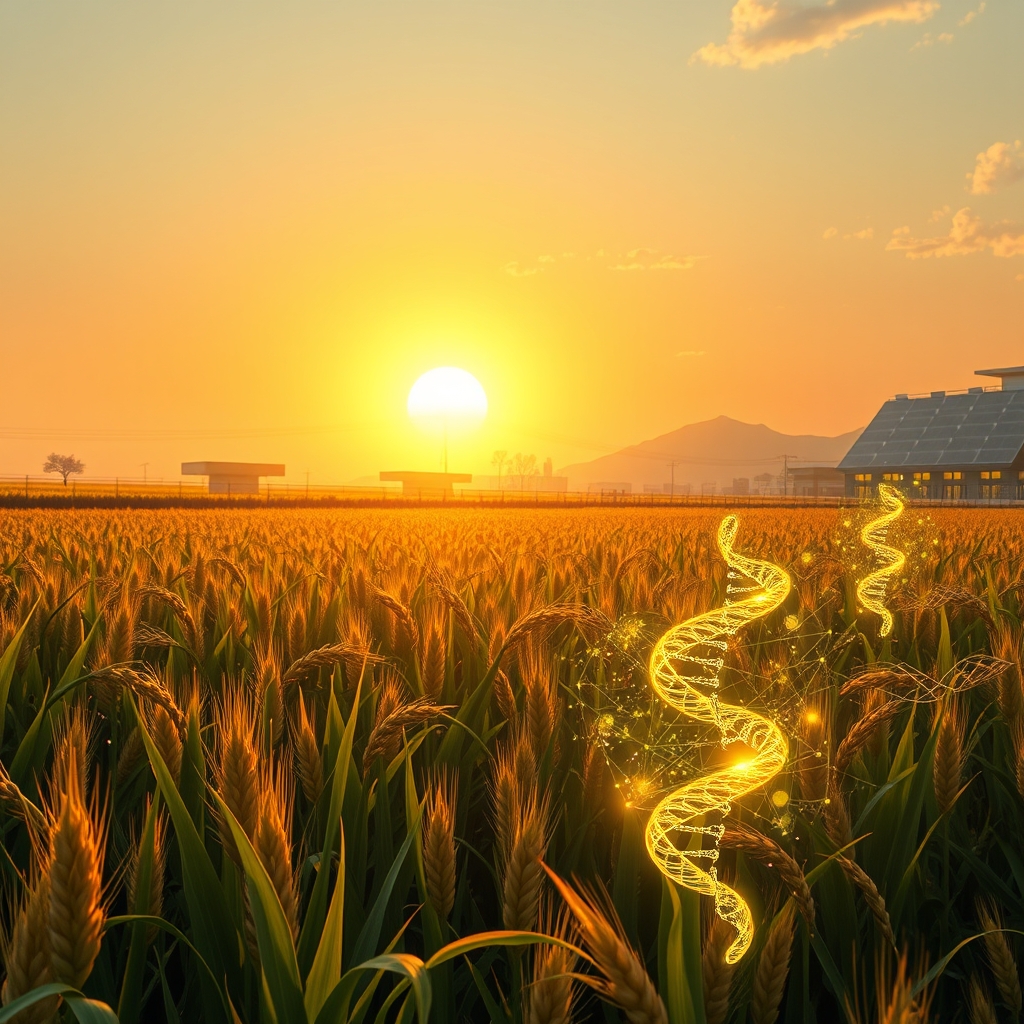
The golden fields of wheat swaying under the summer sun have long been a symbol of agricultural abundance. Yet, beneath their familiar beauty lies an untapped reservoir of energy—one that scientists are now beginning to harness through the fusion of biotechnology and solar innovation. The intersection of genetic engineering and renewable energy is giving rise to a revolutionary concept: crops that don’t just feed the world but also power it. This is the dawn of the solar genome, where the very building blocks of life are being rewritten to maximize photosynthetic efficiency and transform plants into living solar panels.
The Science of Photosynthetic Efficiency
Photosynthesis, the process by which plants convert sunlight into chemical energy, has been the cornerstone of life on Earth for billions of years. However, nature’s design is far from perfect. Most plants operate at a photosynthetic efficiency of just 1-2%, with the majority of sunlight either reflected, transmitted, or lost as heat. For decades, scientists have sought ways to enhance this process, but the complexity of plant biology has posed a formidable challenge. That is, until the advent of advanced genetic engineering tools like CRISPR-Cas9, which allow for precise edits to an organism’s DNA.
Researchers are now targeting specific genes that limit photosynthetic efficiency. For instance, the enzyme Rubisco, which plays a critical role in carbon fixation, is notoriously slow and prone to errors. By tweaking its genetic code, scientists have successfully engineered plants that produce a more efficient version of Rubisco, boosting their ability to convert sunlight into energy. In laboratory settings, these genetically modified crops have demonstrated up to a 40% increase in photosynthetic efficiency—a leap that could redefine the role of agriculture in the global energy landscape.
From Lab to Field: The Promise of Bioenergy Crops
The potential applications of this technology extend far beyond traditional food crops. Bioenergy crops, such as switchgrass, miscanthus, and even algae, are being genetically optimized to serve as renewable energy sources. These plants are designed to grow rapidly, thrive in marginal soils, and produce high yields of biomass that can be converted into biofuels, biogas, or even directly into electricity through advanced combustion or gasification processes. Unlike fossil fuels, bioenergy crops absorb carbon dioxide as they grow, making them a carbon-neutral or even carbon-negative energy solution.
One of the most promising developments in this field is the creation of C4 rice—a genetically engineered version of the world’s most important staple crop. Rice naturally uses the less efficient C3 photosynthetic pathway, but by introducing genes from C4 plants like maize, scientists are working to supercharge its energy-capturing abilities. If successful, C4 rice could not only increase food production but also serve as a dual-purpose crop, providing both sustenance and sustainable energy. The implications for global food security and clean energy are profound, particularly in regions where arable land is scarce and energy access is limited.
The Role of Synthetic Biology
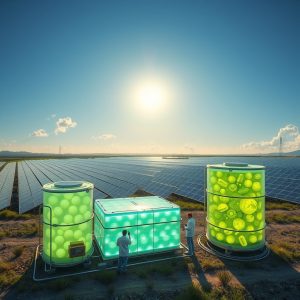
Synthetic biology is taking this concept even further by designing entirely new photosynthetic pathways that do not exist in nature. Researchers are exploring the creation of artificial chloroplasts—tiny solar-powered factories within plant cells that can produce not just sugars but also hydrogen, a clean-burning fuel. These bioengineered organisms could one day be cultivated in large-scale bioreactors, where they would convert sunlight and carbon dioxide into hydrogen or other high-value chemicals, effectively turning farms into decentralized power plants.
Another exciting avenue is the development of plant-based photovoltaics. Scientists are experimenting with embedding conductive nanomaterials into plant tissues, effectively turning leaves into living solar cells. While still in its early stages, this research could lead to crops that generate electricity directly from sunlight, bypassing the need for traditional solar panels altogether. Imagine a future where fields of genetically enhanced crops not only feed communities but also power their homes, creating a closed-loop system of sustainable energy production.
Challenges and Ethical Considerations
As with any emerging technology, the solar genome is not without its challenges. One of the primary concerns is the potential environmental impact of genetically modified organisms (GMOs). While bioengineered crops are designed to be more efficient, there is always a risk of unintended consequences, such as the spread of modified genes to wild plant populations or the disruption of local ecosystems. Rigorous testing and regulatory oversight will be essential to ensure that these innovations are deployed safely and responsibly.
Ethical considerations also come into play, particularly regarding the ownership and control of genetically modified crops. Large agribusiness corporations already dominate the seed market, and the introduction of bioenergy crops could exacerbate issues of corporate control over food and energy systems. Ensuring equitable access to these technologies will be crucial to prevent a scenario where only wealthy nations or corporations benefit from the solar genome revolution.
The Path Forward: Collaboration and Innovation
The journey from laboratory breakthroughs to real-world applications will require collaboration across disciplines—from geneticists and agronomists to energy experts and policymakers. Governments and private investors must prioritize funding for research and development, while also creating frameworks that encourage the responsible adoption of these technologies. Public engagement and education will be key to addressing concerns and fostering acceptance of genetically engineered bioenergy crops.
In the coming decades, the fusion of biotechnology and solar innovation could redefine our relationship with the natural world. No longer will plants be seen merely as sources of food or fiber; they will become active participants in the global energy transition. The solar genome represents more than just a scientific achievement—it is a vision of a future where the boundaries between biology and technology blur, and where the very essence of life is harnessed to power a sustainable world. As the sun rises on this new era, the fields of tomorrow may not only feed the planet but also illuminate it, one genetically enhanced leaf at a time.